

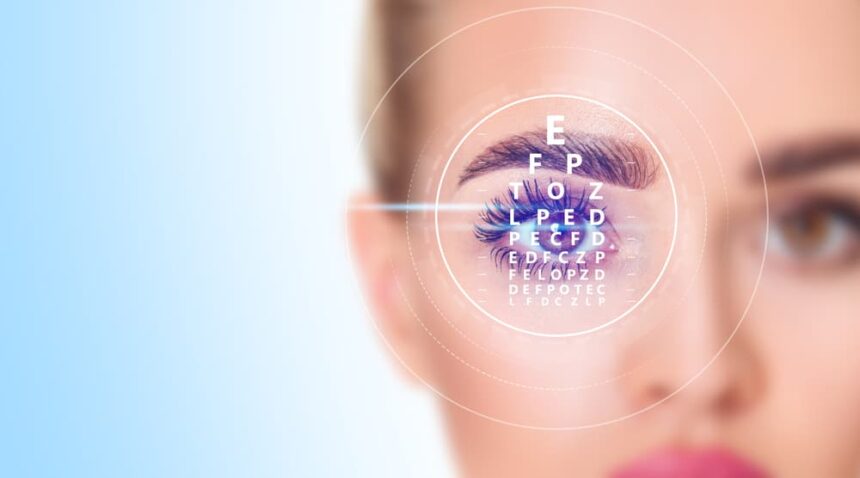
LASIK surgery represents one of the most common refractive eye procedures performed today. This laser-based treatment corrects vision problems by reshaping the cornea, potentially reducing or eliminating the need for glasses or contact lenses. Understanding the procedure, candidacy requirements, and recovery process helps individuals make informed decisions about this vision correction option.
Understanding the Procedure
LASIK, which stands for Laser-Assisted In Situ Keratomileusis, involves creating a thin flap in the cornea’s outer layer. The surgeon uses a specialized instrument called a microkeratome or a femtosecond laser to create this flap. Once lifted, an excimer laser removes microscopic amounts of corneal tissue to reshape the eye’s surface.
The reshaping process corrects refractive errors by changing how light enters the eye. For nearsightedness, the laser flattens the cornea’s center. For farsightedness, the laser steepens the corneal center. Astigmatism correction involves smoothing an irregularly shaped cornea into a more normal shape. The entire procedure typically takes 10 to 15 minutes per eye. Most patients experience minimal discomfort during the surgery, as numbing drops are applied beforehand.
Determining Candidacy for LASIK
Age requirements specify that candidates must be at least 18 years old, though many surgeons prefer patients to be 21 or older. This age restriction exists because vision continues to change during the teenage years. Vision stability plays a significant role in candidacy. Prescription changes of less than 0.5 diopters in the year before surgery indicate stable vision. Candidates with prescriptions that continue to change may need to wait before undergoing the procedure.
Eye health requirements include adequate corneal thickness and the absence of certain eye conditions. Dry eye syndrome, glaucoma, cataracts, or corneal diseases may disqualify candidates. A comprehensive eye examination determines whether these conditions are present.
General health factors also influence candidacy. Pregnancy, nursing, autoimmune disorders, and certain medications can affect healing and surgical outcomes. Patients taking immunosuppressive drugs or those with uncontrolled diabetes may not be suitable candidates. Realistic expectations about outcomes are necessary for successful candidacy. While most patients achieve 20/20 vision or better, some may still need glasses for certain activities like reading or night driving.
Exploring the Recovery Process
Immediate post-operative care begins in the recovery room, where patients rest for 15 to 30 minutes after surgery. Vision may appear blurry or hazy initially, which is normal. Most patients can see well enough to function within a few hours, though complete healing takes several weeks.
Activity restrictions during the first week include avoiding rubbing the eyes, swimming, hot tubs, and contact sports. Water should not get directly into the eyes for at least one week. Eye makeup should be avoided for one week to prevent infection. Follow-up appointments typically occur within 24 to 48 hours after surgery, then at one week, one month, and three months. These visits allow the surgeon to monitor healing progress and address any concerns that may arise.
Common side effects during recovery include light sensitivity, mild discomfort, and temporary changes in night vision. Halos or glare around lights may occur, particularly during the first few weeks. These effects usually diminish as healing progresses. Healing timeline varies among individuals, but most people return to work within one to three days. Complete visual stabilization occurs within three to six months, though many patients notice significant improvement within the first week.
Learn More About LASIK
LASIK surgery offers the potential for improved vision and reduced dependence on corrective lenses. Understanding the procedure details, candidacy requirements, and recovery expectations helps individuals determine whether LASIK aligns with their vision correction goals. A thorough consultation with a qualified ophthalmologist provides personalized information about risks, benefits, and expected outcomes based on individual circumstances.