


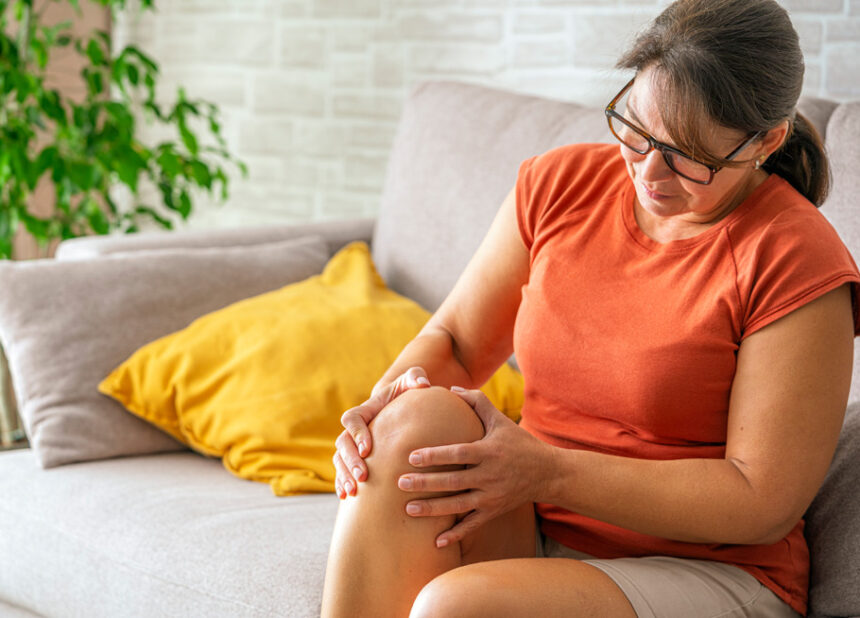
Arthritis is a condition characterized by inflammation of the joints, which may lead to pain, stiffness, and reduced mobility. While there is no cure for most types of arthritis, certain management strategies may help alleviate symptoms and improve joint function. Adjusting diet and lifestyle habits are two approaches that some individuals find helpful in managing their condition. Here is more information about ways to manage symptoms through diet and lifestyle changes:
Foods To Include
Incorporating certain foods into your diet may help reduce inflammation. Fatty fish like salmon, mackerel, and sardines are high in omega-3 fatty acids, which have anti-inflammatory properties. You might find that adding these to your weekly meal plan is a straightforward adjustment.
Fruits and vegetables are packed with antioxidants, which help protect the body from cellular damage. Look for colorful options like berries, leafy greens, and broccoli. Nuts, seeds, and whole grains also provide a range of nutrients and fiber.
Walnuts are another source of omega-3 fatty acids, and whole grains like oatmeal and brown rice are beneficial additions. Herbs and spices, such as turmeric, ginger, and garlic, can also enhance meals while providing anti-inflammatory and antioxidant properties. Staying hydrated with water or herbal teas is beneficial for overall health and supports proper digestion and energy levels.
Foods To Avoid
Just as some foods may be beneficial, others could potentially exacerbate arthritis symptoms. Many processed foods, such as packaged snacks and fast food, contain high levels of unhealthy fats, sugar, and salt. These ingredients may lead to increased inflammation in the body. Reducing your intake of fried foods and items with added sugars, like sodas and pastries, is a practical step.
Exercises for Arthritis
Physical activity is a key component of managing arthritis. Regular, gentle exercise helps maintain joint flexibility, strengthen the muscles surrounding the joints, and reduce stiffness. Low-impact activities are typically recommended because they place less stress on your joints. Some beneficial forms of exercise include:
- Swimming: The buoyancy of water supports your body weight, easing pressure on your joints as you move.
- Walking: A simple and accessible activity that helps improve circulation and mobility.
- Cycling: Whether on a stationary or outdoor bike, cycling is a low-impact way to build leg strength.
Starting slowly and gradually increasing the duration and intensity of your workouts is a sensible approach.
Habits To Quit
Certain lifestyle habits may negatively impact arthritis symptoms and overall health. Quitting smoking may have a profoundly positive impact on your health. Maintaining a healthy weight is another significant factor. Excess body weight places additional strain on weight-bearing joints, such as the hips, knees, and spine. Even a modest amount of weight loss can lessen the pressure on these joints and potentially decrease pain.
Schedule an Appointment for Arthritis
Managing arthritis requires a comprehensive approach based on your specific needs and condition. Diet and lifestyle modifications are components of a broader management plan. If you are experiencing joint pain or have been diagnosed with arthritis, consulting a healthcare professional can help you develop a suitable strategy. They can provide guidance based on your health profile and help you navigate the options available for managing your symptoms. If you have questions about your joint health, contact a pain management clinic to schedule an appointment.