


X-rays are a valuable diagnostic tool used in modern healthcare. They use a small, controlled amount of radiation to produce detailed images of bones and other dense tissues, enabling medical professionals to diagnose various health conditions non-invasively with precision. By understanding how X-rays work and their diagnostic capabilities, patients can feel more informed and prepared for the process.
Bone Fractures
Doctors frequently use X-ray imaging to identify bone fractures. Bones crack or break completely from excessive force. An X-ray machine passes beams through the body. Different tissues absorb these beams at varying rates. Because bone is dense, it appears white on the image. This appearance clearly shows any structural disruptions. Radiologists use this to pinpoint the fracture’s exact location and determine its severity. This information can help guide an effective treatment plan.
Joint Dislocations
X-rays are also highly effective for diagnosing joint dislocations, which occur when the ends of your bones are suddenly and forcefully displaced from their normal positions. This painful injury most commonly affects areas like the shoulders, elbows, and fingers. An X-ray provides a clear image of bone alignment, allowing a physician to:
- Confirm a dislocation
- Rule out any associated fractures
- Guide the process of repositioning the bones
- Make sure proper alignment is restored
Lung Infections
While X-rays are commonly used to image bones, they are also a valuable tool for examining soft tissues, such as the lungs. A chest X-ray can detect signs of lung infections, such as pneumonia or tuberculosis. These infections cause inflammation and fluid buildup in the lungs, which appear as brighter, opaque areas on the X-ray, contrasting with the darker air-filled lung tissue.
Physicians utilize these chest images to accurately assess the severity of an infection and track its progression. They also serve to monitor the effectiveness of a treatment over time. This makes chest imaging a component in the reliable diagnosis and management of various lung conditions.
Dental Issues
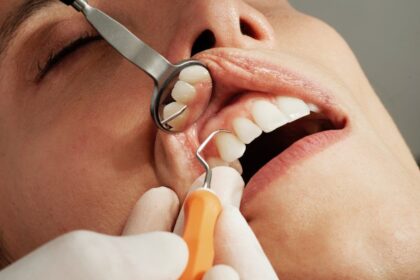
Dental X-rays, also known as radiographs, are a beneficial component of routine oral health examinations, providing detailed images of structures not visible during a standard visual check. Dentists use these images to identify and address potential problems early, preserving oral health and preventing more complex procedures.
Key issues that dental X-rays can reveal include:
- Cavities: Detecting decay between teeth that is not otherwise visible.
- Impacted Teeth: Showing teeth, such as wisdom teeth, that are unable to emerge properly through the gums.
- Bone Health: Assessing the health and density of the bone that supports the teeth.
Talk to Your X-Ray Specialist
X-ray imaging is a versatile and valuable diagnostic procedure used to identify a wide array of medical and dental conditions. From confirming a broken bone to detecting an underlying infection, this technology provides beneficial information to guide treatment decisions. If your physician or dentist recommends an X-ray, it is because they require a clearer view of your internal structures for an accurate diagnosis. For more detailed information about what to expect, schedule a consultation with a specialist to discuss your specific situation today.