

DigitalConnectMag.Com
  • Home
  • Technology
  • Business
  • Health
    • General Health
    • Dentistry
    • Women Health
    • Cardiology
    • Mental Health
    • Gynecology
    • Pain Management
  • Finance
  • Law
  • About Us
  • Contact Us
Reading: Tips for Athletes and Coaches in Preventing Sports Injuries
Share
DigitalConnectMag.ComDigitalConnectMag.Com
Aa
  • Home
  • Contact Us
  • About Us
  • Privacy Policy
Search
  • Home
  • Technology
  • Business
  • Health
    • Dentistry
    • Women Health
    • Cardiology
    • Mental Health
    • Gynecology
    • Pain Management
  • Finance
  • Law
Have an existing account? Sign In
Follow US
© Foxiz News Network. Ruby Design Company. All Rights Reserved.
General Health

Tips for Athletes and Coaches in Preventing Sports Injuries

Oliver
Last updated: 2025/07/03 at 11:40 AM
Oliver
Share
4 Min Read
Preventing Sports Injuries
SHARE

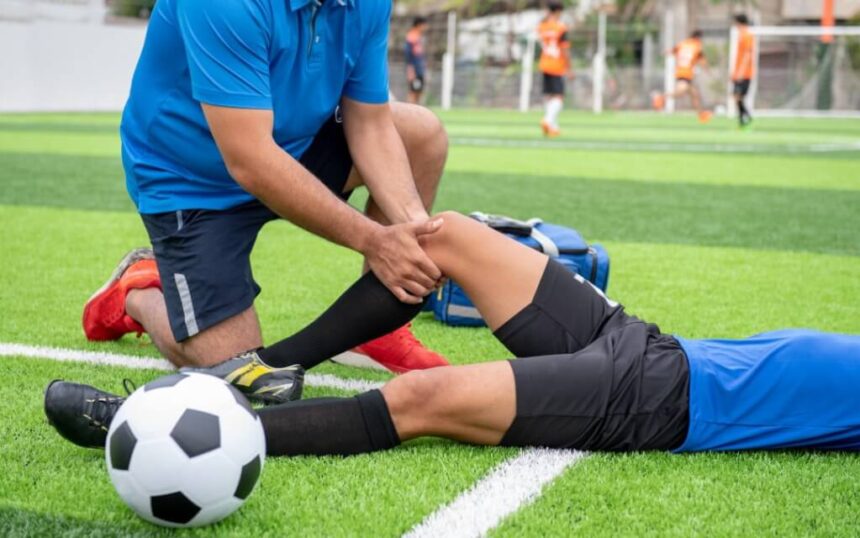
Preparation plays a key role in reducing the risk of physical setbacks. Athletes and coaches who understand the mechanics of movement and the demands of training can better prevent sports injuries before they disrupt progress. From warm-ups to recovery, consistent habits make a difference in how the body responds to strain. Focused strategies help maintain strength, reduce fatigue, and limit the types of stress that lead to common athletic injuries.

Contents
Prioritizing Proper Warm-Up and Cool-DownRecognizing and Managing FatigueUsing Protective Equipment EffectivelyPrevent Sports Injuries

Prioritizing Proper Warm-Up and Cool-Down

Starting activity with cold muscles or stiff joints increases the risk of strain. A structured warm-up that includes dynamic stretching, light aerobic movement, and sport-specific drills activates the body’s systems and prepares it for more intense effort. After training or competition, a cool-down period supports gradual recovery. Gentle movement and static stretching reduce tightness and help restore flexibility. Coaches who lead these routines set the tone for injury-conscious training environments.

Many sports injuries result from improper mechanics, particularly when athletes repeat incorrect movement patterns. Coaches who emphasize form during practice help reduce unnecessary stress on joints and soft tissue. Whether lifting, jumping, sprinting, or pivoting, movements performed with poor alignment increase the likelihood of strains, tears, or overuse conditions. Regular instruction, video analysis, and constructive feedback create opportunities to reinforce safer techniques.

Recognizing and Managing Fatigue

Fatigue reduces coordination, reaction time, and overall performance—factors that can lead to poor form and injury. Monitoring for signs of mental and physical exhaustion allows coaches to adjust training intensity or volume. Athletes should be encouraged to speak up about unusual soreness, heavy limbs, or lack of focus. Incorporating rest days and active recovery sessions into a schedule supports both performance and injury prevention over time.

Using Protective Equipment Effectively

Wearing appropriate gear minimizes the risk of direct impact or repetitive stress. Helmets, braces, mouthguards, and pads are designed to absorb shock and limit movement that can lead to joint damage. Footwear selection also plays a role, especially for athletes who compete on different surfaces or who have biomechanical concerns. Coaches should regularly inspect gear for fit, wear, and function. Equipment that no longer provides adequate protection may contribute to avoidable injuries.

Injury prevention involves more than sport-specific drills. Well-rounded conditioning supports muscular balance, joint stability, and core strength—all of which reduce uneven strain during athletic movements. Cross-training, flexibility work, and resistance exercises build resilience and help athletes handle the physical demands of their sport. Strengthening surrounding muscle groups protects vulnerable areas such as the knees, ankles, and shoulders. A consistent focus on total-body fitness contributes to lower injury risk.

Small aches or changes in performance can signal early stages of overuse or strain. Athletes often push through discomfort, but doing so may lead to more serious damage. Coaches who stay alert to changes in posture, movement quality, or complaints of pain can intervene before the condition worsens. Applying ice, adjusting workload, or recommending a medical evaluation may help prevent a minor issue from becoming a long-term setback.

Prevent Sports Injuries

Trust and communication between athletes and coaches influence injury prevention efforts. When athletes feel comfortable sharing concerns or symptoms, they’re more likely to receive timely support. Coaches who model listening and take concerns seriously create a culture of accountability and care. Regular check-ins, team discussions about recovery, and individualized support foster transparency and early intervention. These relationships build the foundation for both safer performance and sustained participation.


You Might Also Like

Senior Memory Support: Tips for Enhancing Cognitive Health

Smart Patient Guide to Smile Enhancement: What to Consider First

Expert Pain Management Care for Chronic and Acute Pain

Harnessing Digital Tools for Personal Injury Case Management

Steps to Take When Starting Your Journey Toward Addiction Recovery

Share This Article
Facebook Twitter Email Print
Leave a comment Leave a comment

Leave a Reply Cancel reply

Your email address will not be published. Required fields are marked *

New Releases

- Advertisement -
Ad image

Trending Stories

Physical Therapy
Health

The Role of Physical Therapy in Recovery and Rehabilitation

October 29, 2025
Healthy teeth and gums help you eat, speak, and smile with ease. Yet many people wait for pain before seeing a dentist. Is that the best way to care for your mouth? Preventive care focuses on stopping problems before they grow. With the right habits and routine visits, you can avoid many common issues. Simple steps taken early can protect your teeth for years. This guide shares expert tips to improve oral health through daily care, smart choices, and early checks that support long-term wellness. Build Strong Foundations With Routine Dental Visits Regular dental visits are the basis of good oral health. Dentists clean areas that brushing may miss and remove plaque before it hardens. These visits also help spot small problems early, when they are easier to treat. Cleanings keep gums healthy and reduce bad breath. Routine care builds trust with your provider and helps you feel at ease. Over time, these visits support strong teeth and fewer surprises. Practice Daily Habits That Protect Teeth and Gums Daily habits play a big role in oral wellness. Brushing twice a day removes food and plaque that cause decay. Flossing helps clean between teeth where brushes cannot reach. Using fluoride toothpaste adds extra protection to enamel. Drinking water also helps wash away sugars. Small actions done well make a real difference and support a healthy smile. Use Early Detection to Prevent Bigger Problems Early detection helps stop minor issues from turning serious. Dentists check for cavities, gum disease, and signs of wear. They may also spot changes in the mouth that need quick care. Finding problems early often means simpler treatment and lower costs. It also reduces stress and discomfort. Regular checks give peace of mind and protect long-term oral health. Choose Quality Care That Fits Your Needs Quality care goes beyond tools and machines. Look for providers who explain options in clear, simple words. They should listen to concerns and answer questions with patience. Clean spaces and clear safety steps also matter. Sometimes, a single day is all it takes to get the quality care you need when you visit or choose the right dental team. When care feels personal, people are more likely to return and stay consistent. Support Long-Term Wellness With Smart Choices Oral health connects to overall wellness. Eating less sugar helps prevent decay and gum issues. Avoiding tobacco protects gums and lowers health risks. Wearing mouth guards during sports prevents injury. These smart choices support teeth for the long run. Preventive care is not one step but a lifestyle built on steady, healthy decisions. Start Improving Your Oral Health With These Expert Preventive Care Tips Now Improving oral health does not need to be hard or confusing. Preventive care focuses on routine visits, daily habits, and early checks that protect your smile. When problems are found early, treatment is often easier and less costly. Choosing quality care builds trust and keeps you informed. Smart choices at home also support long-term wellness. Together, these steps help maintain healthy teeth and gums for years, leading to comfort, confidence, and better overall health. For more helpful tips, be sure to read other articles on different topics across our blog.
Dentistry

Improve Oral Health With Expert Preventive Care Tips

December 26, 2025
Geriatric Care
Health

The Role of Internal Medicine in Geriatric Care

December 12, 2025
Solar Panel Companies
Technology

Don’t Miss Out on Solar Savings: Top Commercial Solar Panel Companies in Columbus

May 21, 2026
Board Certification in Plastic Surgery
Health

The Role of Board Certification in Plastic Surgery

October 30, 2025
Gynecology

Hormonal Imbalances in Women: Symptoms and Treatments

June 30, 2025

Follow US on Social Media

Facebook Youtube Steam Twitch Unity
DigitalConnectMag.Com
  • Contact Us
  • About Us
  • Privacy Policy
Welcome Back!

Sign in to your account

Lost your password?