
DigitalConnectMag.Com
  • Home
  • Technology
  • Business
  • Health
    • General Health
    • Dentistry
    • Women Health
    • Cardiology
    • Mental Health
    • Gynecology
    • Pain Management
  • Finance
  • Law
  • About Us
  • Contact Us
Reading: The Connection Between High Cholesterol and Heart Disease
Share
DigitalConnectMag.ComDigitalConnectMag.Com
Aa
  • Home
  • Contact Us
  • About Us
  • Privacy Policy
Search
  • Home
  • Technology
  • Business
  • Health
    • Dentistry
    • Women Health
    • Cardiology
    • Mental Health
    • Gynecology
    • Pain Management
  • Finance
  • Law
Have an existing account? Sign In
Follow US
© Foxiz News Network. Ruby Design Company. All Rights Reserved.
Cardiology

The Connection Between High Cholesterol and Heart Disease

Oliver
Last updated: 2025/08/05 at 9:04 AM
Oliver
Share
5 Min Read
High Cholesterol and Heart Disease
SHARE

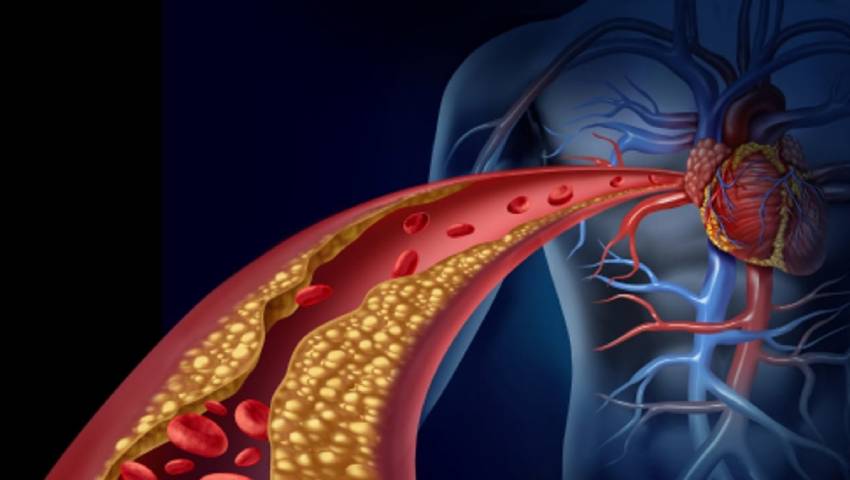
Cholesterol is a component of the body, playing a role in cell construction and hormone production. When cholesterol levels become too high, particularly the “bad” low-density lipoprotein (LDL), it poses serious risks to heart health. Explore how cholesterol impacts the heart, and how to protect yourself against heart disease tied to high cholesterol.

Contents
Understand Cholesterol’s RoleIdentify Key Risk FactorsPrevent Plaque BuildupControl Heart Disease RiskProtect Your Heart from High Cholesterol

Understand Cholesterol’s Role

Cholesterol circulates in the bloodstream as low-density lipoprotein (LDL) and high-density lipoprotein (HDL). LDL, or “bad” cholesterol, contributes to fatty deposits in the arteries, leading to atherosclerosis, which increases the risk of heart attacks and strokes. In contrast, HDL, or “good” cholesterol, removes excess LDL by transporting it to the liver for processing. Maintaining a healthy balance between LDL and HDL is beneficial for heart health, as elevated LDL or low HDL levels can compromise circulation and increase cardiovascular risks.

Identify Key Risk Factors

Several factors influence cholesterol levels and the overall risk of heart disease. Here’s a closer look at what contributes to elevated cholesterol and potential cardiovascular issues:

  • Dietary Choices: Consuming foods high in saturated and trans fats, such as fried items and processed snacks, can raise LDL cholesterol levels.
  • Lack of Exercise: Physical inactivity can lower HDL cholesterol, reducing your body’s ability to counterbalance LDL.
  • Genetics: Some individuals inherit conditions, such as familial hypercholesterolemia, that predispose them to high cholesterol levels.
  • Age and Gender: Cholesterol levels often increase with age, and menopause can lead to less favorable cholesterol profiles in women.
  • Other Health Conditions: Conditions such as obesity, diabetes, and kidney dysfunction can disrupt cholesterol management in the body.

Monitoring these risk factors can help guide efforts to maintain healthy cholesterol levels and minimize heart disease risks.

Prevent Plaque Buildup

When LDL cholesterol accumulates in the bloodstream, it can adhere to the walls of arteries and form plaque. This process isn’t reversible, but can be prevented with consistent lifestyle changes. Incorporate heart-healthy foods rich in soluble fiber, such as oats, fruits, and beans, to help lower LDL levels. Swap saturated fats for healthier options like olive oil or fatty fish with omega-3 fatty acids. Quitting smoking is also beneficial, as cigarettes damage blood vessels and speed up plaque buildup. Combined with stress reduction and regular exercise, these steps help improve cholesterol levels and slow the progression of arterial narrowing.

Control Heart Disease Risk

Implementing proactive measures can significantly reduce your chances of cholesterol-related complications. Try the following:

  • Routine Check-Ups: Regular blood tests measure LDL and HDL levels, helping you spot potential concerns early.
  • Maintain a Healthy Weight: Excess weight, particularly around the abdomen, often correlates with elevated cholesterol and heart strain.
  • Stay Physically Active: Aim for at least 150 minutes of moderate exercise, such as brisk walking or swimming, each week.
  • Limit Alcohol Intake: Drinking alcohol in moderation, no more than one drink a day for women and two for men, can help protect your heart.
  • Follow Prescribed Treatments: If you have been advised to take medications, such as statins, adhering to your prescription plan is beneficial.

Each of these steps strengthens your overall heart health, minimizing long-term risks of high cholesterol complications.

Protect Your Heart from High Cholesterol

Though high cholesterol can significantly impact heart health, proactive care helps mitigate the risks and preserve cardiovascular function. Understanding the role of cholesterol, identifying contributing risk factors, preventing arterial plaque, and taking preventative actions are key strategies you can adopt to keep your heart strong. By making informed choices and actively managing your health, you can pave the way for a healthier future free of cholesterol-related complications. Take the steps today to safeguard your heart for years to come.


You Might Also Like

Coping with the Emotional Toll of Congestive Heart Failure

Unique Symptoms and Considerations for Chest Pain in Women

How To Prepare for Your First Visit to a Cardiologist

How a Nuclear Stress Test Can Help Diagnose Heart Conditions

How Stress Tests Can Help Detect Heart Problems Early

Share This Article
Facebook Twitter Email Print
Leave a comment Leave a comment

Leave a Reply Cancel reply

Your email address will not be published. Required fields are marked *

New Releases

- Advertisement -
Ad image

Trending Stories

OBGYN Confirm Pregnancy
Gynecology

How Does an OBGYN Confirm Pregnancy?

September 19, 2025
Early Detection and Treatment of Gum Disease
Dentistry

The Importance of Early Detection and Treatment of Gum Disease

July 1, 2025
Managing Joint Disorders
Health

The Role of Orthopedics in Managing Joint Disorders

December 23, 2025
Root Canal Treatment
Dentistry

Root Canal Treatment for Molars: Why It Might Be Necessary

July 1, 2025
Healthy teeth and gums help you eat, speak, and smile with ease. Yet many people wait for pain before seeing a dentist. Is that the best way to care for your mouth? Preventive care focuses on stopping problems before they grow. With the right habits and routine visits, you can avoid many common issues. Simple steps taken early can protect your teeth for years. This guide shares expert tips to improve oral health through daily care, smart choices, and early checks that support long-term wellness. Build Strong Foundations With Routine Dental Visits Regular dental visits are the basis of good oral health. Dentists clean areas that brushing may miss and remove plaque before it hardens. These visits also help spot small problems early, when they are easier to treat. Cleanings keep gums healthy and reduce bad breath. Routine care builds trust with your provider and helps you feel at ease. Over time, these visits support strong teeth and fewer surprises. Practice Daily Habits That Protect Teeth and Gums Daily habits play a big role in oral wellness. Brushing twice a day removes food and plaque that cause decay. Flossing helps clean between teeth where brushes cannot reach. Using fluoride toothpaste adds extra protection to enamel. Drinking water also helps wash away sugars. Small actions done well make a real difference and support a healthy smile. Use Early Detection to Prevent Bigger Problems Early detection helps stop minor issues from turning serious. Dentists check for cavities, gum disease, and signs of wear. They may also spot changes in the mouth that need quick care. Finding problems early often means simpler treatment and lower costs. It also reduces stress and discomfort. Regular checks give peace of mind and protect long-term oral health. Choose Quality Care That Fits Your Needs Quality care goes beyond tools and machines. Look for providers who explain options in clear, simple words. They should listen to concerns and answer questions with patience. Clean spaces and clear safety steps also matter. Sometimes, a single day is all it takes to get the quality care you need when you visit or choose the right dental team. When care feels personal, people are more likely to return and stay consistent. Support Long-Term Wellness With Smart Choices Oral health connects to overall wellness. Eating less sugar helps prevent decay and gum issues. Avoiding tobacco protects gums and lowers health risks. Wearing mouth guards during sports prevents injury. These smart choices support teeth for the long run. Preventive care is not one step but a lifestyle built on steady, healthy decisions. Start Improving Your Oral Health With These Expert Preventive Care Tips Now Improving oral health does not need to be hard or confusing. Preventive care focuses on routine visits, daily habits, and early checks that protect your smile. When problems are found early, treatment is often easier and less costly. Choosing quality care builds trust and keeps you informed. Smart choices at home also support long-term wellness. Together, these steps help maintain healthy teeth and gums for years, leading to comfort, confidence, and better overall health. For more helpful tips, be sure to read other articles on different topics across our blog.
Dentistry

Improve Oral Health With Expert Preventive Care Tips

December 26, 2025
Support Systems for PTSD
General Health

Effective Therapies and Support Systems for PTSD

August 4, 2025

Follow US on Social Media

Facebook Youtube Steam Twitch Unity
DigitalConnectMag.Com
  • Contact Us
  • About Us
  • Privacy Policy
Welcome Back!

Sign in to your account

Lost your password?