
DigitalConnectMag.Com
  • Home
  • Technology
  • Business
  • Health
    • General Health
    • Dentistry
    • Women Health
    • Cardiology
    • Mental Health
    • Gynecology
    • Pain Management
  • Finance
  • Law
  • About Us
  • Contact Us
Reading: Root Canal Treatment for Molars: Why It Might Be Necessary
Share
DigitalConnectMag.ComDigitalConnectMag.Com
Aa
  • Home
  • Contact Us
  • About Us
  • Privacy Policy
Search
  • Home
  • Technology
  • Business
  • Health
    • Dentistry
    • Women Health
    • Cardiology
    • Mental Health
    • Gynecology
    • Pain Management
  • Finance
  • Law
Have an existing account? Sign In
Follow US
© Foxiz News Network. Ruby Design Company. All Rights Reserved.
Dentistry

Root Canal Treatment for Molars: Why It Might Be Necessary

Oliver
Last updated: 2025/07/01 at 6:29 AM
Oliver
Share
4 Min Read
Root Canal Treatment
SHARE

Molar root canal treatment is a common dental procedure designed to address deep infections or inflammation within the tooth pulp. It serves as an intervention to save natural teeth and prevent further complications. Explore root canal treatment, common symptoms, the procedure, and the advantages of keeping your natural teeth intact.

Contents
Why is Molar Root Canal Treatment Necessary?How Do You Recognize Symptoms?What Is the Treatment Procedure?What Are the Benefits of Preserving Natural Teeth?Schedule a Consultation Today

Why is Molar Root Canal Treatment Necessary?

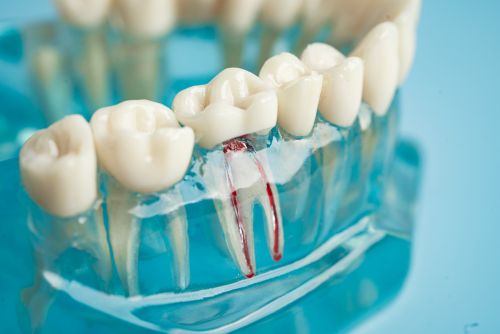
Deep infections or inflammation of the tooth pulp are primary reasons why a molar root canal treatment may be required. The tooth pulp, located inside the root, contains nerves and blood vessels. When bacteria from untreated decay, cracks, or previous trauma infiltrate the pulp, the infection can spread, potentially leading to abscess formation and severe pain.

Tooth pulp infection can be caused by extensive tooth decay, cracks or fractures in the tooth, dental trauma, or repeated dental procedures on the same tooth. These issues can leave the pulp vulnerable to infection, leading to pain and potential damage. Prompt treatment is beneficial in preventing complications and protecting the health of surrounding teeth and gums.

How Do You Recognize Symptoms?

Identifying the symptoms of a potential molar tooth infection is vital. Early detection aids in timely intervention, reducing the risk of more invasive treatments.

Symptoms Indicating the Need for Treatment Include:

  • Persistent tooth pain, especially when biting or chewing
  • Sensitivity to hot or cold temperatures that lingers
  • Swelling or tenderness in the gums near the affected tooth
  • Discoloration or darkening of the tooth
  • Formation of a pimple-like bump on the gum
  • Persistent bad breath or an unpleasant taste in the mouth

Even without symptoms, routine dental exams may reveal infections.

What Is the Treatment Procedure?

Understanding the steps involved in the procedure can help alleviate uncertainty and prepare patients effectively for the procedure. It is a routine treatment often completed in a single or two visits. Steps of the procedure include:

  • Diagnosis and Anesthesia:
    • The dentist examines the tooth and confirms the need for treatment.
    • Local anesthesia is administered to numb  the area and provide comfort.
  • Access and Cleaning:
    • An opening is made in the molar to access the infected pulp.
    • The infected tissue, bacteria, and debris are removed from the root canals.
  • Filling and Sealing:
    • The cleaned canals are filled with a rubber-like material to prevent reinfection.
    • The tooth is sealed with a temporary or permanent filling.
  • Restoration:
    • A crown or restoration may be placed for long-term protection and functionality.

The procedure not only saves the natural tooth but also restores its full function, making sure the tooth blends seamlessly with the rest of the smile.

What Are the Benefits of Preserving Natural Teeth?

Preserving natural teeth through treatment offers many advantages over extraction. It helps maintain the natural alignment of teeth, preventing them from shifting, and retains normal biting and chewing capabilities. Root canals also support jawbone health by preventing bone loss, preserving the appearance of your smile, and maintaining proper speech function. Choosing a root canal avoids the need for more complex tooth replacement options, such as implants or bridges. Saving a natural tooth is often the most effective and long-lasting solution for dental health.

Schedule a Consultation Today

Molar root canal treatment is a beneficial procedure for addressing deep tooth infections and preserving natural teeth. Early detection, through routine check-ups, and timely intervention can save teeth and enhance overall oral health. Take the first step towards protecting your smile by scheduling your consultation today.


You Might Also Like

How a Confident Smile Enhances Your Professional Presence

When Dental Crowns Become the Best Treatment for Damaged Teeth Care

Essential Steps to Take When a Dental Crisis Strikes

Top Dental Treatments for Healthy Teeth and Gums

How Much Should You Really Pay for Orthodontic Care?

Share This Article
Facebook Twitter Email Print
Leave a comment Leave a comment

Leave a Reply Cancel reply

Your email address will not be published. Required fields are marked *

New Releases

- Advertisement -
Ad image

Trending Stories

Depression Impacts Your Motivation
Mental Health

How Depression Impacts Your Motivation and How To Overcome It

September 22, 2025
Hormone Replacement Therapy
General Health

The Benefits of Hormone Replacement Therapy

October 29, 2025
Migraine Management
Pain Management

Lifestyle Changes To Help With Migraine Management

December 2, 2025
Healthy teeth and gums help you eat, speak, and smile with ease. Yet many people wait for pain before seeing a dentist. Is that the best way to care for your mouth? Preventive care focuses on stopping problems before they grow. With the right habits and routine visits, you can avoid many common issues. Simple steps taken early can protect your teeth for years. This guide shares expert tips to improve oral health through daily care, smart choices, and early checks that support long-term wellness. Build Strong Foundations With Routine Dental Visits Regular dental visits are the basis of good oral health. Dentists clean areas that brushing may miss and remove plaque before it hardens. These visits also help spot small problems early, when they are easier to treat. Cleanings keep gums healthy and reduce bad breath. Routine care builds trust with your provider and helps you feel at ease. Over time, these visits support strong teeth and fewer surprises. Practice Daily Habits That Protect Teeth and Gums Daily habits play a big role in oral wellness. Brushing twice a day removes food and plaque that cause decay. Flossing helps clean between teeth where brushes cannot reach. Using fluoride toothpaste adds extra protection to enamel. Drinking water also helps wash away sugars. Small actions done well make a real difference and support a healthy smile. Use Early Detection to Prevent Bigger Problems Early detection helps stop minor issues from turning serious. Dentists check for cavities, gum disease, and signs of wear. They may also spot changes in the mouth that need quick care. Finding problems early often means simpler treatment and lower costs. It also reduces stress and discomfort. Regular checks give peace of mind and protect long-term oral health. Choose Quality Care That Fits Your Needs Quality care goes beyond tools and machines. Look for providers who explain options in clear, simple words. They should listen to concerns and answer questions with patience. Clean spaces and clear safety steps also matter. Sometimes, a single day is all it takes to get the quality care you need when you visit or choose the right dental team. When care feels personal, people are more likely to return and stay consistent. Support Long-Term Wellness With Smart Choices Oral health connects to overall wellness. Eating less sugar helps prevent decay and gum issues. Avoiding tobacco protects gums and lowers health risks. Wearing mouth guards during sports prevents injury. These smart choices support teeth for the long run. Preventive care is not one step but a lifestyle built on steady, healthy decisions. Start Improving Your Oral Health With These Expert Preventive Care Tips Now Improving oral health does not need to be hard or confusing. Preventive care focuses on routine visits, daily habits, and early checks that protect your smile. When problems are found early, treatment is often easier and less costly. Choosing quality care builds trust and keeps you informed. Smart choices at home also support long-term wellness. Together, these steps help maintain healthy teeth and gums for years, leading to comfort, confidence, and better overall health. For more helpful tips, be sure to read other articles on different topics across our blog.
Dentistry

Improve Oral Health With Expert Preventive Care Tips

December 26, 2025
Chest Pain in Women
Cardiology

Unique Symptoms and Considerations for Chest Pain in Women

November 23, 2025
Microneedling
General Health

Combining Microneedling with Other Treatments for Enhanced Results

August 13, 2025

Follow US on Social Media

Facebook Youtube Steam Twitch Unity
DigitalConnectMag.Com
  • Contact Us
  • About Us
  • Privacy Policy
Welcome Back!

Sign in to your account

Lost your password?