
DigitalConnectMag.Com
  • Home
  • Technology
  • Business
  • Health
    • General Health
    • Dentistry
    • Women Health
    • Cardiology
    • Mental Health
    • Gynecology
    • Pain Management
  • Finance
  • Law
  • About Us
  • Contact Us
Reading: How Orthotics Help Those With Diabetes
Share
DigitalConnectMag.ComDigitalConnectMag.Com
Aa
  • Home
  • Contact Us
  • About Us
  • Privacy Policy
Search
  • Home
  • Technology
  • Business
  • Health
    • Dentistry
    • Women Health
    • Cardiology
    • Mental Health
    • Gynecology
    • Pain Management
  • Finance
  • Law
Have an existing account? Sign In
Follow US
© Foxiz News Network. Ruby Design Company. All Rights Reserved.
General Health

How Orthotics Help Those With Diabetes

Oliver
Last updated: 2025/08/13 at 9:29 PM
Oliver
Share
4 Min Read
Orthotics
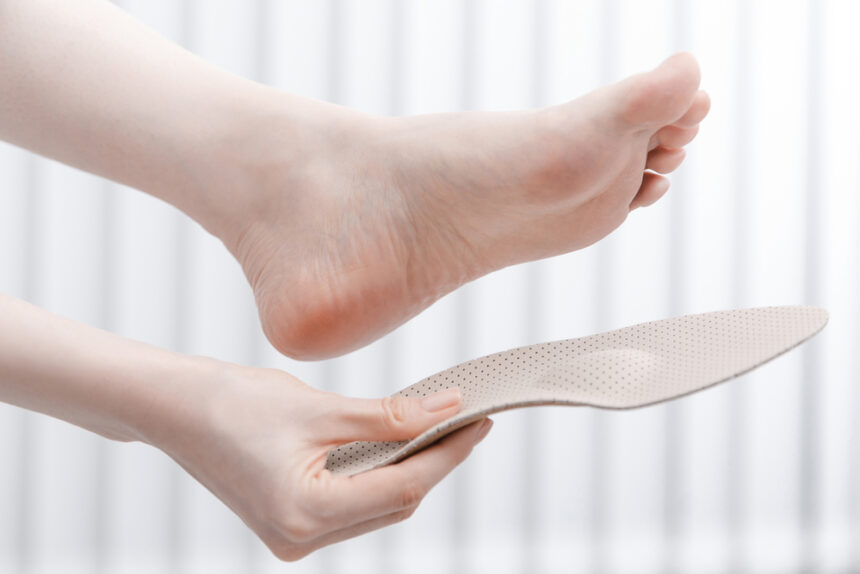
Woman fitting orthopedic insole indoors, close up. Girl holding an insole next to foot at home. Orthopedic insoles. Foot care banner. Flat Feet Correction. Treatment and prevention of foot diseases.
SHARE

Diabetes can impact various aspects of health, often leading to complications with foot care. Many individuals with diabetes experience challenges such as reduced circulation and nerve damage, which increase the risk of foot problems. One effective tool that supports foot health in this population is the use of orthotics. Designed to provide support, alignment, and pressure relief, orthotics can help those with diabetes take proactive measures to maintain foot health. Understanding the benefits and materials involved in orthotics can help individuals make informed decisions about foot care.

Contents
What Foot Problems Affect Diabetics?How Do Orthotics Reduce Ulcer Risk?What Materials Work Best for Diabetics?Consult a Podiatrist

What Foot Problems Affect Diabetics?

Diabetes can cause several issues for the feet, ranging from minor discomfort to more severe complications. Common problems include:

  • Neuropathy: Nerve damage caused by diabetes can result in reduced sensation in the feet, making injuries or pressure points harder to detect.
  • Poor circulation: Limited blood flow to the feet can delay healing processes and make the skin more prone to injury or infection.
  • Foot ulcers: Open sores on the foot can develop from pressure, friction, or unnoticed injuries. Left untreated, ulcers may worsen.
  • Calluses and corns: Excessive pressure on specific areas of the foot can lead to thickened skin, which increases the risk of irritation or infection.

These issues underscore the need for tools that can provide support and prevent complications, particularly for daily wear.

How Do Orthotics Reduce Ulcer Risk?

Orthotics are customized or pre-made insoles designed to align the feet, redistribute pressure, and provide cushioning. By addressing these factors, orthotics help prevent the formation of ulcers. These are common and serious conditions affecting individuals with diabetes.

Ulcers on the feet often occur due to uneven pressure during walking or standing. Orthotics can help balance this pressure, minimizing strain on vulnerable areas. This redistribution supports skin integrity, where excessive friction or tension might otherwise cause an open sore.

Beyond pressure management, orthotics help by stabilizing foot movement. Unstable walking patterns or poorly fitting shoes can contribute to the development of abrasions. Orthotic insoles help minimize these risks, creating a layer of protection as individuals go about their daily routines.

What Materials Work Best for Diabetics?

The choice of materials plays a significant role in the effectiveness and comfort of orthotics for diabetics. Suitable materials combine softness, durability, and the ability to relieve pressure. Common options include:

  • Gel and foam: These materials provide cushioning to reduce the impact of everyday activities, offering a softer walking experience.
  • Memory foam: Adapting to the shape of the foot, memory foam effectively supports weight distribution and eliminates pressure points.
  • Leather: Durable and breathable, leather provides long-lasting support, often paired with softer layers for added comfort.
  • Silicone: Highly flexible and resistant to wear, silicone is well-suited for managing shock absorption while remaining comfortable.

Each material offers specific benefits designed to meet the diverse needs of individuals managing diabetes, providing them with the flexibility to select the most suitable option for their lifestyle.

Consult a Podiatrist

Orthotics can be key for supporting foot health in individuals with diabetes, but choosing the right option requires expert guidance. A podiatrist can assess your specific needs, identify potential risks, and recommend orthotics tailored to improve foot care and comfort. Taking a proactive approach to foot health can help reduce complications and make everyday activities easier. Whether you’re dealing with mild discomfort or more serious foot issues, consulting a professional can make a significant difference in your overall well-being.


You Might Also Like

Senior Memory Support: Tips for Enhancing Cognitive Health

Smart Patient Guide to Smile Enhancement: What to Consider First

Expert Pain Management Care for Chronic and Acute Pain

Harnessing Digital Tools for Personal Injury Case Management

Steps to Take When Starting Your Journey Toward Addiction Recovery

Share This Article
Facebook Twitter Email Print
Leave a comment Leave a comment

Leave a Reply Cancel reply

Your email address will not be published. Required fields are marked *

New Releases

- Advertisement -
Ad image

Trending Stories

Therapies for ADHD
Mental Health

Exploring Behavioral Therapies for ADHD

October 29, 2025
Regenerative Sports Medicine
General Health

3 Individuals Who May Benefit From Regenerative Sports Medicine

November 10, 2025
Is DIY Flooring a Creative Outlet or a Hidden Cost Trap?
Blog

Is DIY Flooring a Creative Outlet or a Hidden Cost Trap?

November 6, 2025
Healthy teeth and gums help you eat, speak, and smile with ease. Yet many people wait for pain before seeing a dentist. Is that the best way to care for your mouth? Preventive care focuses on stopping problems before they grow. With the right habits and routine visits, you can avoid many common issues. Simple steps taken early can protect your teeth for years. This guide shares expert tips to improve oral health through daily care, smart choices, and early checks that support long-term wellness. Build Strong Foundations With Routine Dental Visits Regular dental visits are the basis of good oral health. Dentists clean areas that brushing may miss and remove plaque before it hardens. These visits also help spot small problems early, when they are easier to treat. Cleanings keep gums healthy and reduce bad breath. Routine care builds trust with your provider and helps you feel at ease. Over time, these visits support strong teeth and fewer surprises. Practice Daily Habits That Protect Teeth and Gums Daily habits play a big role in oral wellness. Brushing twice a day removes food and plaque that cause decay. Flossing helps clean between teeth where brushes cannot reach. Using fluoride toothpaste adds extra protection to enamel. Drinking water also helps wash away sugars. Small actions done well make a real difference and support a healthy smile. Use Early Detection to Prevent Bigger Problems Early detection helps stop minor issues from turning serious. Dentists check for cavities, gum disease, and signs of wear. They may also spot changes in the mouth that need quick care. Finding problems early often means simpler treatment and lower costs. It also reduces stress and discomfort. Regular checks give peace of mind and protect long-term oral health. Choose Quality Care That Fits Your Needs Quality care goes beyond tools and machines. Look for providers who explain options in clear, simple words. They should listen to concerns and answer questions with patience. Clean spaces and clear safety steps also matter. Sometimes, a single day is all it takes to get the quality care you need when you visit or choose the right dental team. When care feels personal, people are more likely to return and stay consistent. Support Long-Term Wellness With Smart Choices Oral health connects to overall wellness. Eating less sugar helps prevent decay and gum issues. Avoiding tobacco protects gums and lowers health risks. Wearing mouth guards during sports prevents injury. These smart choices support teeth for the long run. Preventive care is not one step but a lifestyle built on steady, healthy decisions. Start Improving Your Oral Health With These Expert Preventive Care Tips Now Improving oral health does not need to be hard or confusing. Preventive care focuses on routine visits, daily habits, and early checks that protect your smile. When problems are found early, treatment is often easier and less costly. Choosing quality care builds trust and keeps you informed. Smart choices at home also support long-term wellness. Together, these steps help maintain healthy teeth and gums for years, leading to comfort, confidence, and better overall health. For more helpful tips, be sure to read other articles on different topics across our blog.
Dentistry

Improve Oral Health With Expert Preventive Care Tips

December 26, 2025
Maintain a Healthy Gut
Health

How to Maintain a Healthy Gut

September 18, 2025
Urological Disorders
General Health

Prevention and Treatment Options for Urological Disorders

October 24, 2025

Follow US on Social Media

Facebook Youtube Steam Twitch Unity
DigitalConnectMag.Com
  • Contact Us
  • About Us
  • Privacy Policy
Welcome Back!

Sign in to your account

Lost your password?