


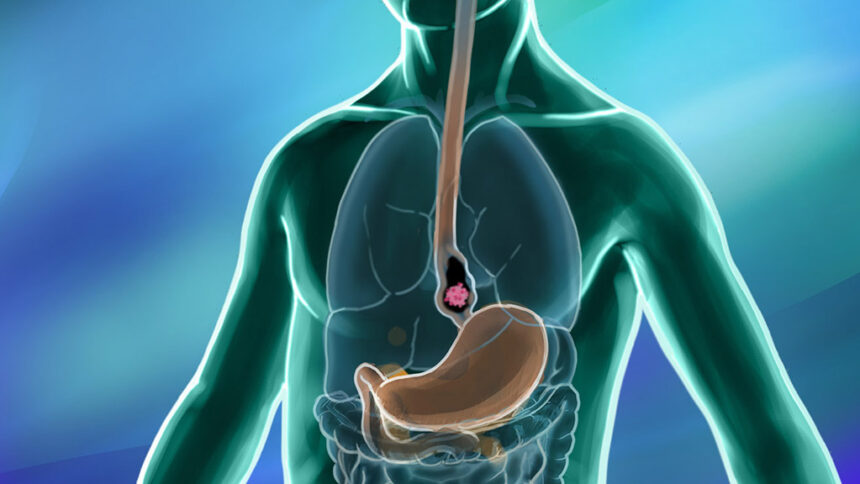
Esophageal cancer develops in the tissues of the esophagus, the muscular tube that carries food from your throat to your stomach. This cancer affects thousands of people each year, making it necessary to understand your options and resources. When you receive an esophageal cancer diagnosis, knowing the different types, treatment approaches, and recovery processes helps you make informed decisions about your care.
Understand Cancer Types
The location and type of your cancer affect your treatment options. Your medical team will discuss these options with you during your consultation. Understanding these differences can help you actively participate in your treatment planning. Knowing the type of esophageal cancer you have is helpful. There are two main types:
- Squamous cell carcinoma: This type usually develops in the upper and middle parts of the esophagus. It is often linked to smoking and alcohol use.
- Adenocarcinoma: This type typically forms in the lower part of the esophagus, near the stomach. It is generally associated with gastroesophageal reflux disease (GERD) and Barrett’s esophagus.
Select an Approach
Complex treatment decisions require careful discussion between you and your healthcare provider. Endoscopic mucosal resection removes early-stage cancers confined to the inner lining of the esophagus through a scope passed down your throat. Your doctor may recommend endoscopic mucosal dissection for larger lesions that need more precise removal while preserving healthy tissue.
Simple procedures like these may be ideal for superficial cancers caught early. Endoscopic radiofrequency ablation utilizes heat energy to destroy abnormal tissue, making it particularly useful for precancerous conditions such as Barrett’s esophagus. Early diagnosis and prompt treatment play a key role in improving outcomes and managing symptoms effectively. Each technique offers specific advantages, and compound factors, including cancer stage, location, and your overall health, determine the best approach for your situation.
Learn Recovery and Lifestyle Changes
Recovery from cancer treatment involves multiple adjustments to your daily routine. Dietary modifications may become necessary because treatment affects how you swallow and digest food. You may need to eat smaller, more frequent meals and opt for softer textures during the healing process. Simple changes, such as sitting upright while eating and avoiding carbonated beverages, may help prevent complications. Physical therapy might strengthen your swallowing muscles, while complex nutritional planning addresses weight management and nutrient absorption.
Managing side effects requires patience as your body adapts to treatment changes. Support through counseling or support groups provides valuable resources during this adjustment period. Building a network of healthcare professionals, family members, and friends creates the foundation for successful recovery.
Get Treated for Esophageal Cancer
Navigating esophageal cancer care requires understanding your diagnosis, exploring treatment options with your medical team, and preparing for recovery challenges. Early detection and appropriate treatment planning improve outcomes for many patients. Access to comprehensive cancer centers, experienced specialists, and supportive care services makes a significant difference in your treatment experience. Take the next step by scheduling a consultation with an esophageal cancer specialist who is knowledgeable about the latest treatment approaches. Contact your local cancer center today to discuss your diagnosis and explore the treatment options available to you.