

Parkinson’s disease is a progressive disorder in neurology that primarily affects movement. It develops when nerve cells in the brain begin to break down or die. Individuals with Parkinson’s experience symptoms such as tremors, stiffness, and slowed movement. Though the condition is typically diagnosed later in life, it is not confined only to older adults. Here is how management may involve a combination of therapies depending on the individual’s needs:
What is Parkinson’s Disease?
Parkinson’s disease impacts the central nervous system and is classified as a movement disorder. It is characterized by both motor and non-motor symptoms. While motor signs include tremors, rigid muscles, and difficulty with coordination, non-motor symptoms such as sleep disturbances, changes in mood, and cognitive challenges may also occur. These symptoms result from the loss of dopamine-producing neurons in a specific area of the brain.
The reasons behind Parkinson’s remain unclear, though several factors may contribute. Experts may cite a combination of genetic predispositions and environmental influences as possible contributors. Certain gene mutations have been linked to Parkinson’s in rare cases, while exposure to toxins may play a role for others. Currently, there is no cure for Parkinson’s, but tailored treatments in neurology focus on slowing symptom progression and improving quality of life.
Are Medications Used?
Medications help manage Parkinson’s disease. Levodopa is a typical treatment and remains a key part of therapy. It works by converting into dopamine in the brain, helping to reduce motor symptoms like stiffness and slowness. Other medications also help manage symptoms. Healthcare teams can adjust medications over time based on the patient’s evolving condition. The goal of these treatments is to help individuals stay independent and maintain daily activities.
Non-motor symptoms can also be addressed with targeted medications. Depending on the individual, treatments might focus on issues like sleep problems, depression, or digestive issues. This comprehensive approach supports overall well-being while managing motor symptoms.
Can Surgery Help?
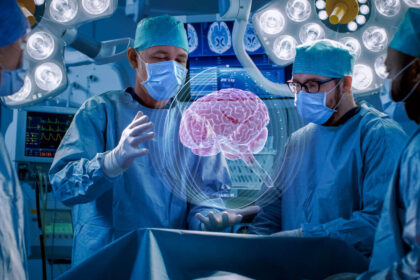
For some people with Parkinson’s disease, surgery becomes an option when medications no longer effectively control symptoms. One standard surgical procedure is deep brain stimulation (DBS). This involves implanting electrodes into specific areas of the brain, which are connected to a small device placed under the skin near the chest. The device sends electrical impulses to the brain to regulate abnormal activity that causes symptoms.
While DBS does not stop the progression of Parkinson’s, it may significantly reduce symptoms such as tremors and stiffness for those who are suitable candidates. Patients typically work closely with surgeons, neurologists, and other specialists before and after surgery to adjust the treatment as needed. Surgical options like DBS are part of a comprehensive management plan. They may be combined with rehabilitation therapies to provide a more complete approach to care.
Find a Neurology Clinic
If you or a loved one is navigating Parkinson’s disease, accessing specialized care can make a difference in managing the condition effectively. Neurology clinics provide evaluations, treatment plans, and ongoing management tailored to each patient’s specific needs. Collaborating with neurologists and care teams allows individuals to explore options such as medication adjustments, therapy, or surgical interventions. Reach out to a trusted neurology clinic to learn more about approaches to care.