

DigitalConnectMag.Com
  • Home
  • Technology
  • Business
  • Health
    • General Health
    • Dentistry
    • Women Health
    • Cardiology
    • Mental Health
    • Gynecology
    • Pain Management
  • Finance
  • Law
  • About Us
  • Contact Us
Reading: Exploring Common Conditions Treated in Podiatry Practice
Share
DigitalConnectMag.ComDigitalConnectMag.Com
Aa
  • Home
  • Contact Us
  • About Us
  • Privacy Policy
Search
  • Home
  • Dentistry
  • Women Health
  • Cardiology
  • Mental Health
  • Gynecology
  • Pain Management
Have an existing account? Sign In
Follow US
© Foxiz News Network. Ruby Design Company. All Rights Reserved.
General Health

Exploring Common Conditions Treated in Podiatry Practice

Oliver
Last updated: 2025/07/03 at 11:43 AM
Oliver
Share
5 Min Read
Conditions Treated in Podiatry Practice
SHARE

Proper foot health plays a role in overall well-being and mobility. Despite this, foot problems are often overlooked until symptoms significantly impact daily life. Podiatry, a specialized branch of medicine focusing on the prevention, diagnosis, and treatment of foot and ankle conditions, addresses a wide range of complications that affect individuals across various age groups. From minor discomfort to chronic health issues, podiatry offers solutions that enhance mobility and quality of life. Explore common podiatry conditions, their symptoms, treatment options, and prevention strategies..

Contents
Conditions Treated in Podiatry PracticePlantar FasciitisBunionsIngrown ToenailsAthlete’s FootDiabetic Foot CareTreatment Options and Preventive MeasuresPrioritize Your Foot Health Today

Conditions Treated in Podiatry Practice

Foot health is beneficial for overall well-being, yet many common conditions can cause discomfort and impact mobility. From heel pain to fungal infections, podiatry plays a role in diagnosing, treating, and preventing these issues. Here are some of the most commonly treated foot conditions and the care options available:

Plantar Fasciitis

Plantar fasciitis occurs when the plantar fascia, a tissue band along the bottom of the foot, becomes inflamed. This condition is a leading cause of heel pain, often resulting in stiffness in the mornings or after prolonged periods of rest. Effective treatments include stretching exercises, physical therapy, orthotic inserts, and, in severe cases, cortisone injections or surgery.

Bunions

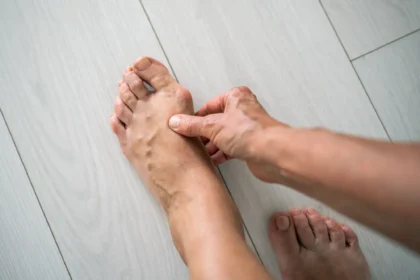
Bunions are bony protrusions that develop at the base of the big toe, often caused by structural issues, poor footwear choices, or genetics. They can lead to pain, restricted movement, and challenges in finding properly fitting shoes. Treatment ranges from non-surgical methods, such as padding and orthotics, to surgical options for severe cases to restore foot alignment and alleviate discomfort.

Ingrown Toenails

Ingrown toenails occur when the nail grows into the surrounding skin, causing pain, redness, and a potential risk of infection. This condition frequently affects the big toe and is often caused by improper nail trimming, footwear pressure, or genetic predisposition. Podiatrists can remove the affected nail section, provide guidance on nail care, and perform minor surgical procedures for chronic or severe cases.

Athlete’s Foot

Athlete’s foot is a fungal infection that thrives in warm, damp areas, typically appearing between the toes. Symptoms include itching, redness, and scaling, with the potential to spread if untreated. Treatment often includes antifungal medications and foot hygiene recommendations to relieve symptoms and prevent recurrence.

Diabetic Foot Care

People with diabetes are at a higher risk of foot complications, including ulcers, infections, and circulation issues. Regular podiatric care is beneficial to monitor and address these problems before they worsen. Diabetic foot care involves wound inspections, neuropathy monitoring, and tailored treatment plans to preserve foot health and prevent severe complications.

Treatment Options and Preventive Measures

Podiatry widely emphasizes a combination of treatment and preventative strategies to address foot and ankle conditions:

  • Non-Surgical Interventions: Orthotic devices, physical therapy, medication, and lifestyle adjustments are common approaches for managing numerous foot issues.
  • Surgical Solutions: Podiatrists may recommend corrective surgeries for chronic or severe conditions, with the goal of restoring function and alleviating pain.
  • Preventative Care: Regular foot examinations, proper footwear, and routine hygiene practices help reduce the risk of developing common foot problems.

Proactive measures not only prevent minor issues from developing into severe complications but also help maintain long-term functionality.

Prioritize Your Foot Health Today

Foot health is integral to maintaining an active and independent lifestyle. Understanding the conditions commonly treated in podiatry, recognizing symptoms, and seeking timely care can aid in better outcomes and improved mobility. By addressing foot problems early and prioritizing preventative care, individuals can enjoy sustained health and comfort. For expert assistance and professional podiatric care, consult your local podiatry specialist. Schedule an appointment today to take the first step toward better foot health.


You Might Also Like

Senior Memory Support: Tips for Enhancing Cognitive Health

Smart Patient Guide to Smile Enhancement: What to Consider First

Expert Pain Management Care for Chronic and Acute Pain

Harnessing Digital Tools for Personal Injury Case Management

Steps to Take When Starting Your Journey Toward Addiction Recovery

Share This Article
Facebook Twitter Email Print
Leave a comment Leave a comment

Leave a Reply Cancel reply

Your email address will not be published. Required fields are marked *

New Releases

- Advertisement -
Ad image

Trending Stories

Blog

How to Create Engaging Activities for Seniors Using Technology

February 19, 2026
Healthy teeth and gums help you eat, speak, and smile with ease. Yet many people wait for pain before seeing a dentist. Is that the best way to care for your mouth? Preventive care focuses on stopping problems before they grow. With the right habits and routine visits, you can avoid many common issues. Simple steps taken early can protect your teeth for years. This guide shares expert tips to improve oral health through daily care, smart choices, and early checks that support long-term wellness. Build Strong Foundations With Routine Dental Visits Regular dental visits are the basis of good oral health. Dentists clean areas that brushing may miss and remove plaque before it hardens. These visits also help spot small problems early, when they are easier to treat. Cleanings keep gums healthy and reduce bad breath. Routine care builds trust with your provider and helps you feel at ease. Over time, these visits support strong teeth and fewer surprises. Practice Daily Habits That Protect Teeth and Gums Daily habits play a big role in oral wellness. Brushing twice a day removes food and plaque that cause decay. Flossing helps clean between teeth where brushes cannot reach. Using fluoride toothpaste adds extra protection to enamel. Drinking water also helps wash away sugars. Small actions done well make a real difference and support a healthy smile. Use Early Detection to Prevent Bigger Problems Early detection helps stop minor issues from turning serious. Dentists check for cavities, gum disease, and signs of wear. They may also spot changes in the mouth that need quick care. Finding problems early often means simpler treatment and lower costs. It also reduces stress and discomfort. Regular checks give peace of mind and protect long-term oral health. Choose Quality Care That Fits Your Needs Quality care goes beyond tools and machines. Look for providers who explain options in clear, simple words. They should listen to concerns and answer questions with patience. Clean spaces and clear safety steps also matter. Sometimes, a single day is all it takes to get the quality care you need when you visit or choose the right dental team. When care feels personal, people are more likely to return and stay consistent. Support Long-Term Wellness With Smart Choices Oral health connects to overall wellness. Eating less sugar helps prevent decay and gum issues. Avoiding tobacco protects gums and lowers health risks. Wearing mouth guards during sports prevents injury. These smart choices support teeth for the long run. Preventive care is not one step but a lifestyle built on steady, healthy decisions. Start Improving Your Oral Health With These Expert Preventive Care Tips Now Improving oral health does not need to be hard or confusing. Preventive care focuses on routine visits, daily habits, and early checks that protect your smile. When problems are found early, treatment is often easier and less costly. Choosing quality care builds trust and keeps you informed. Smart choices at home also support long-term wellness. Together, these steps help maintain healthy teeth and gums for years, leading to comfort, confidence, and better overall health. For more helpful tips, be sure to read other articles on different topics across our blog.
Dentistry

Improve Oral Health With Expert Preventive Care Tips

December 26, 2025
Radiation Therapy
General Health

Benefits of Radiation Therapy

November 10, 2025
Depression and Lifestyle Choices
Mental Health

The Connection Between Depression and Lifestyle Choices

July 29, 2025
Recover From Knee Pain
Pain Management

How To Recover From Knee Pain

August 7, 2025
Managing Arthritis Symptoms
Health

Managing Arthritis Symptoms Through Diet and Lifestyle Changes

September 25, 2025

Follow US on Social Media

Facebook Youtube Steam Twitch Unity
DigitalConnectMag.Com
  • Contact Us
  • About Us
  • Privacy Policy
Welcome Back!

Sign in to your account

Lost your password?