
DigitalConnectMag.Com
  • Home
  • Technology
  • Business
  • Health
    • General Health
    • Dentistry
    • Women Health
    • Cardiology
    • Mental Health
    • Gynecology
    • Pain Management
  • Finance
  • Law
  • About Us
  • Contact Us
Reading: What To Expect During Your Colonoscopy Procedure
Share
DigitalConnectMag.ComDigitalConnectMag.Com
Aa
  • Home
  • Contact Us
  • About Us
  • Privacy Policy
Search
  • Home
  • Technology
  • Business
  • Health
    • Dentistry
    • Women Health
    • Cardiology
    • Mental Health
    • Gynecology
    • Pain Management
  • Finance
  • Law
Have an existing account? Sign In
Follow US
© Foxiz News Network. Ruby Design Company. All Rights Reserved.
General Health

What To Expect During Your Colonoscopy Procedure

Oliver
Last updated: 2025/07/03 at 6:06 PM
Oliver
Share
4 Min Read
Colonoscopy Procedure
SHARE

A colonoscopy is a medical procedure that allows doctors to examine the inside of your colon and rectum. It is used to detect abnormalities or diseases that may otherwise be undetectable. Here is more information about this procedure, including its purpose, procedure details, and benefits for your health:

Contents
What Is a Colonoscopy?Why Is It Conducted?What Happens During the Procedure?How Is It Beneficial?Know What To Expect

What Is a Colonoscopy?

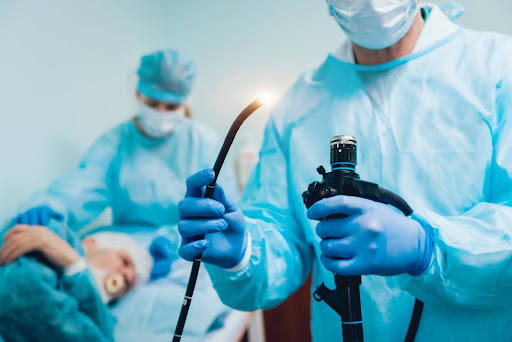
A colonoscopy is a diagnostic procedure that uses a flexible tube with a camera to examine the large intestine. The colonoscope features a light and a camera that transmit images to a monitor, enabling the physician to view the interior walls of the colon. This procedure can detect abnormalities such as polyps, inflammation, or other tissue changes.

At the start of the procedure, the colonoscope is inserted through the rectum. The camera produces high-resolution images that enable doctors to identify potential problems. During the procedure, doctors can also remove small tissue samples or polyps for further examination.

Why Is It Conducted?

A colonoscopy serves multiple diagnostic and preventive purposes. Screening colonoscopies are recommended for adults beginning at age 45 to detect colorectal cancer in its early stages. This timing allows for the identification of precancerous polyps before they develop into cancer.

Doctors also recommend this procedure for patients experiencing specific symptoms. These symptoms include persistent abdominal pain, changes in bowel habits, rectal bleeding, or unexplained weight loss. The procedure helps determine the cause of these symptoms and guides appropriate treatment decisions.

Patients with a family history of colorectal cancer or inflammatory bowel disease may need earlier or more frequent screening. Previous results also influence the timing of future procedures. Your gastroenterologist will determine the appropriate screening schedule based on your individual risk factors.

What Happens During the Procedure?

The colonoscopy procedure typically takes 30 minutes to complete. Before the procedure begins, you will receive sedation to help minimize discomfort. Your doctor will then insert the colonoscope through the rectum and guide it through the colon. Air is introduced to expand the colon walls, providing better visualization of the tissue.

The camera transmits real-time images to a monitor, allowing the physician to examine all areas of the colon systematically. If polyps or abnormal tissue are found, your doctor can remove them during the procedure. Small instruments pass through the colonoscope to perform biopsies or polyp removal. These samples are sent to a laboratory for microscopic examination to determine if they contain cancerous or precancerous cells.

How Is It Beneficial?

A colonoscopy offers significant benefits for detecting and preventing colorectal cancer. The procedure can identify polyps before they become cancerous, allowing for removal during the same visit. Early detection of colorectal cancer improves treatment outcomes. When cancer is found in its early stages, treatment options are more effective and less invasive.

The procedure also helps diagnose other conditions affecting the colon. These include inflammatory bowel disease, diverticulosis, and sources of gastrointestinal bleeding. Accurate diagnosis of these conditions allows for appropriate treatment and symptom management.

Know What To Expect

A colonoscopy is a valuable procedure for maintaining your digestive health and preventing colorectal cancer. The procedure enables the early detection of problems and can prevent cancer through the removal of polyps. Understanding what to expect during this procedure can help you prepare for the experience. Schedule your colonoscopy consultation today to discuss your screening needs and take a proactive step toward protecting your health.


You Might Also Like

Senior Memory Support: Tips for Enhancing Cognitive Health

Smart Patient Guide to Smile Enhancement: What to Consider First

Expert Pain Management Care for Chronic and Acute Pain

Harnessing Digital Tools for Personal Injury Case Management

Steps to Take When Starting Your Journey Toward Addiction Recovery

Share This Article
Facebook Twitter Email Print
Leave a comment Leave a comment

Leave a Reply Cancel reply

Your email address will not be published. Required fields are marked *

New Releases

- Advertisement -
Ad image

Trending Stories

Technology

Top Digital Tools Enhancing Investigative Research Efficiency

February 20, 2026
Support Systems for PTSD
General Health

Effective Therapies and Support Systems for PTSD

August 4, 2025
Healthy teeth and gums help you eat, speak, and smile with ease. Yet many people wait for pain before seeing a dentist. Is that the best way to care for your mouth? Preventive care focuses on stopping problems before they grow. With the right habits and routine visits, you can avoid many common issues. Simple steps taken early can protect your teeth for years. This guide shares expert tips to improve oral health through daily care, smart choices, and early checks that support long-term wellness. Build Strong Foundations With Routine Dental Visits Regular dental visits are the basis of good oral health. Dentists clean areas that brushing may miss and remove plaque before it hardens. These visits also help spot small problems early, when they are easier to treat. Cleanings keep gums healthy and reduce bad breath. Routine care builds trust with your provider and helps you feel at ease. Over time, these visits support strong teeth and fewer surprises. Practice Daily Habits That Protect Teeth and Gums Daily habits play a big role in oral wellness. Brushing twice a day removes food and plaque that cause decay. Flossing helps clean between teeth where brushes cannot reach. Using fluoride toothpaste adds extra protection to enamel. Drinking water also helps wash away sugars. Small actions done well make a real difference and support a healthy smile. Use Early Detection to Prevent Bigger Problems Early detection helps stop minor issues from turning serious. Dentists check for cavities, gum disease, and signs of wear. They may also spot changes in the mouth that need quick care. Finding problems early often means simpler treatment and lower costs. It also reduces stress and discomfort. Regular checks give peace of mind and protect long-term oral health. Choose Quality Care That Fits Your Needs Quality care goes beyond tools and machines. Look for providers who explain options in clear, simple words. They should listen to concerns and answer questions with patience. Clean spaces and clear safety steps also matter. Sometimes, a single day is all it takes to get the quality care you need when you visit or choose the right dental team. When care feels personal, people are more likely to return and stay consistent. Support Long-Term Wellness With Smart Choices Oral health connects to overall wellness. Eating less sugar helps prevent decay and gum issues. Avoiding tobacco protects gums and lowers health risks. Wearing mouth guards during sports prevents injury. These smart choices support teeth for the long run. Preventive care is not one step but a lifestyle built on steady, healthy decisions. Start Improving Your Oral Health With These Expert Preventive Care Tips Now Improving oral health does not need to be hard or confusing. Preventive care focuses on routine visits, daily habits, and early checks that protect your smile. When problems are found early, treatment is often easier and less costly. Choosing quality care builds trust and keeps you informed. Smart choices at home also support long-term wellness. Together, these steps help maintain healthy teeth and gums for years, leading to comfort, confidence, and better overall health. For more helpful tips, be sure to read other articles on different topics across our blog.
Dentistry

Improve Oral Health With Expert Preventive Care Tips

December 26, 2025
Quality Vein Clinic
General Health

What Sets a Quality Vein Clinic Apart From the Rest?

August 8, 2025
Invisalign Transforms Smiles
Dentistry

How Invisalign Transforms Smiles

August 27, 2025
Conditions an X-Ray Can Diagnose
General Health

4 Conditions an X-Ray Can Diagnose

October 24, 2025

Follow US on Social Media

Facebook Youtube Steam Twitch Unity
DigitalConnectMag.Com
  • Contact Us
  • About Us
  • Privacy Policy
Welcome Back!

Sign in to your account

Lost your password?