

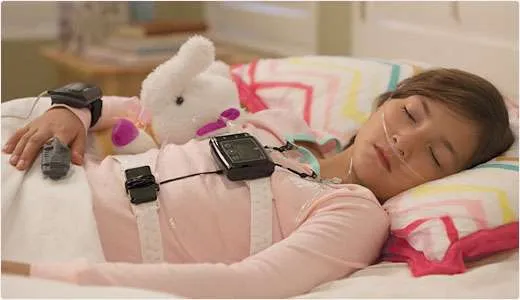
Good sleep helps children grow, learn, and stay happy. Some children struggle with sleep problems that affect their rest. These issues can impact their mood, focus, and overall health. Pediatric home sleep testing can identify these problems, including pulmonary function concerns, in a comfortable setting.
This test measures sleep quality along with pulmonary function, breathing, and heart rate. It gathers key information while your child sleeps at home. Staying in a familiar place helps your child relax and sleep naturally. This approach often gives more accurate results than testing in a lab.
How the Home Sleep Test Works
The home sleep test measures breathing, oxygen levels, and heart rate while your child sleeps. It also tracks movements and sleep cycles throughout the night. Small sensors attach to the chest or finger to collect this data. These sensors send information to a monitor that records everything during sleep.
Doing the test at home helps reduce stress and makes sleep more natural. Your child stays in a familiar environment, which helps them relax. This setting often produces better results than a lab test. Parents find it easier and less disruptive than hospital stays.
When You Might Need a Home Sleep Test
Doctors often recommend home sleep tests when they suspect sleep issues like sleep apnea. Sleep apnea causes loud snoring and breathing pauses that affect health. The test measures pulmonary function to check for breathing problems linked to asthma or lung conditions. Detecting these issues helps doctors understand your child’s sleep challenges better.
Children with ADHD or autism often struggle with sleep and may benefit from this test. It helps identify specific problems that disrupt restful sleep. With the right diagnosis, doctors can create more effective treatment plans. Early detection supports better sleep and overall health for your child.
How to Get Ready for the Test
You can help your child get accurate results by preparing carefully before the test night. Your doctor will provide the equipment and clearly explain how to set everything up at home. Maintaining your child’s usual bedtime routine creates a calm environment that encourages restful sleep. This familiar routine reduces anxiety and makes the testing process easier for your child.
Explain the testing process to your child using simple, reassuring words they can understand. Talking openly about what will happen helps your child feel less afraid and more cooperative. Encourage them to see the sensors as tools that will help improve their sleep. Building trust and comfort can make a big difference during the test night.
Talk to Your Doctor About Pulmonary Function and Pediatric Home Sleep Testing Today
Once the test finishes, your child’s doctor carefully reviews all the collected data from the night. The doctor may identify a sleep disorder or recommend additional tests to gather more information. Based on the results, the doctor develops a treatment plan tailored to your child’s needs. This plan aims to address the specific sleep issues found during the test.
Treatment options might include behavior changes, the use of devices like CPAP machines, or adjustments to medications. The test also helps doctors understand how pulmonary function and lung health affect your child’s sleep. Following the treatment plan closely can improve both sleep quality and overall health. Early intervention supports your child’s well-being and daily functioning.