

Wounds can develop as a result of injury, surgical procedures, or chronic health conditions. Effective management and proper treatment are necessary to support healing, reduce discomfort, and help prevent complications. Each type of wound requires a specific approach to wound care, as its causes and healing challenges differ.
Traumatic Wounds
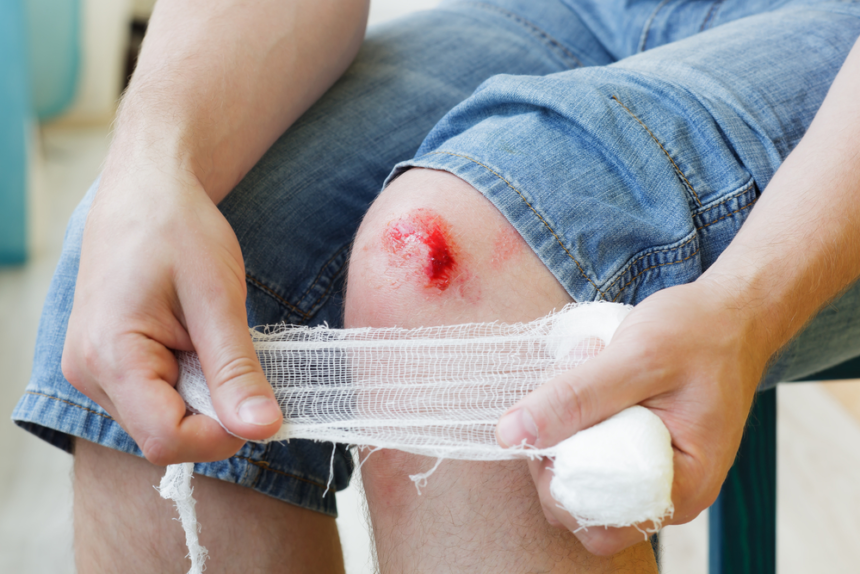
Traumatic wounds result from external injuries, often caused by accidents, physical incidents, or animal bites. These wounds may be superficial or extend deeply into tissue and can include abrasions, lacerations, puncture wounds, or avulsions. Wound care can begin with cleaning and the removal of foreign debris or dead tissue.
Standard care may involve appropriate dressings to keep the wound protected and promote a proper healing environment. Severe or slow-healing wounds may require advanced care, such as surgical debridement or specialized dressings. Persistent wounds may require more advanced interventions. The care team assesses the wound’s characteristics and addresses underlying factors that could interfere with healing, such as circulation problems or pressure.
Surgical Wounds
Surgical wounds are intentional cuts or incisions made during operations or medical procedures. Complications can occur if a surgical wound reopens, becomes infected, or otherwise fails to heal in the expected time frame. Signs that a surgical wound may need further attention include redness, excessive drainage, and delayed closure. Early recognition and effective management of these issues can reduce risks and support better recovery outcomes.
Advanced care can involve regular cleaning, removal of any dead tissue, specialized dressings, and techniques designed to encourage tissue growth. Wound care professionals monitor the healing process and adjust strategies as needed to support recovery. Following wound care instructions, such as how to keep the area clean and when to change dressings, plays a role in successful healing. Patients are advised to look for any warning signs of complications and contact their care team if concerns arise.
Diabetic Wounds
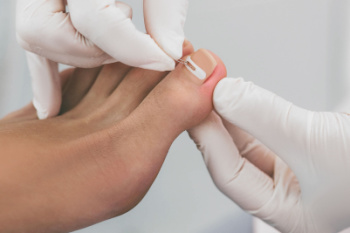
Diabetic wounds, especially diabetic foot ulcers, are a prevalent challenge for individuals living with diabetes. High blood sugar levels can lead to nerve damage (neuropathy) and poor blood circulation, two factors that increase the risk of skin breakdown. Diabetic foot ulcers often begin as minor injuries that, due to reduced sensation, may go unnoticed and untreated. These wounds can deepen over time and become harder to treat.
Wound treatment strategies include:
- Wound Assessment and Monitoring: Regular evaluation by wound specialists to track progress and detect issues.
- Wound Cleaning and Debridement: Removal of non-viable (dead) tissue to support healing.
- Pressure Offloading: Recommending footwear or mobility aids to remove pressure from the wound, which promotes healing and reduces the risk of recurrence.
Patients with diabetes are encouraged to work closely with wound care teams to manage blood sugar, reduce pressure on the affected area, and follow instructions for hygiene and wound monitoring. Advanced care may include the use of compression therapy and additional therapies to support the healing process.
Seek Professional Wound Care
Specialist care from an experienced wound management team can make a significant difference for those with traumatic wounds, surgical wounds, or diabetic foot ulcers. Anyone experiencing a non-healing, painful, or infected wound may benefit from consultation with a wound care provider. Early intervention and ongoing guidance support safer, faster healing and may help prevent serious complications.