

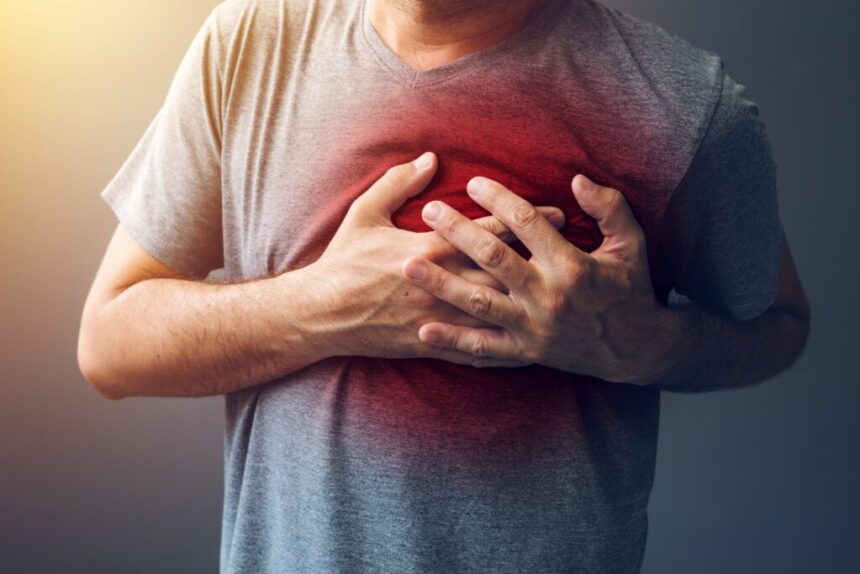
Chest pain can be frightening, and it’s easy to assume it’s related to your heart. While it’s always beneficial to think about heart-related issues, many times chest pain has nothing to do with your heart. Understanding these other possible causes is key to managing your health and getting the proper medical help.
Identify Non-Cardiac Causes
Numerous conditions unrelated to the heart can cause chest discomfort. These issues can originate from the digestive system, musculoskeletal structure, or psychological factors. Problems within the esophagus, such as acid reflux, can mimic the sensation of cardiac pain. Other potential sources include muscle strain or anxiety-related symptoms. Pinpointing the exact cause often requires a careful assessment of symptoms and circumstances.
Recognize Key Symptoms
To tell the difference between heart-related and other types of chest pain, pay attention to the characteristics of the pain. Pain that changes with your body position, gets better or worse when you eat, or can be felt in one specific spot might not be from your heart. Other signs, like a sour taste in your mouth, trouble swallowing, or soreness when you press on your chest, are also clues. Write down these details to share with your doctor. Common non-cardiac symptoms often include:
- A burning sensation behind the breastbone (heartburn)
- Pain that increases with deep breathing or coughing
- Discomfort that radiates to the neck, jaw, or arms but is linked to meals
Assess Common Triggers
Identifying triggers can provide valuable information about the source of chest discomfort. Pay attention to what you were doing or what was happening right before the pain started. For instance, pain that appears after lifting a heavy object may indicate a muscle strain. At the same time, discomfort that consistently follows large or spicy meals may point toward a gastrointestinal issue, such as gastroesophageal reflux disease (GERD). Keeping a simple log of your activities, meals, and stress levels can help reveal patterns over time. Potential triggers might involve:
- Physical exertion or injury to the chest wall
- Consumption of certain foods and beverages
- Periods of high stress or anxiety
Determine When to Seek Care
While many causes of chest pain are not life-threatening, it is not always possible to self-diagnose the origin of your symptoms. Certain signs warrant immediate medical attention, even if you suspect a non-cardiac cause. You should seek emergency care if the pain is sudden, severe, and accompanied by symptoms such as shortness of breath, sweating, dizziness, or pain that spreads to your arms, back, or jaw. These could be signs of a serious medical event that requires prompt evaluation.
Take Control of Chest Pain
Understanding that chest pain can stem from various sources is the first step toward effectively managing it. By recognizing key symptoms and assessing potential triggers, you can gather information about your experience. While this knowledge is empowering, it does not replace a professional medical diagnosis, and you should always consult a healthcare professional for a comprehensive evaluation. To better understand your symptoms and explore potential causes of chest pain, schedule an appointment with a healthcare provider.