
DigitalConnectMag.Com
  • Home
  • Technology
  • Business
  • Health
    • General Health
    • Dentistry
    • Women Health
    • Cardiology
    • Mental Health
    • Gynecology
    • Pain Management
  • Finance
  • Law
  • About Us
  • Contact Us
Reading: How Nutrition Affects Mental Health
Share
DigitalConnectMag.ComDigitalConnectMag.Com
Aa
  • Home
  • Contact Us
  • About Us
  • Privacy Policy
Search
  • Home
  • Technology
  • Business
  • Health
    • Dentistry
    • Women Health
    • Cardiology
    • Mental Health
    • Gynecology
    • Pain Management
  • Finance
  • Law
Have an existing account? Sign In
Follow US
© Foxiz News Network. Ruby Design Company. All Rights Reserved.
Mental Health

How Nutrition Affects Mental Health

timeviewblog@gmail.com
Last updated: 2025/06/30 at 10:43 AM
timeviewblog@gmail.com
Share
7 Min Read
SHARE

Mental health isn’t just shaped by your thoughts, environment, or experiences—what you eat also plays a crucial role in how your brain functions and how you feel emotionally. From brain chemicals to mood regulation, the connection between nutrition and mental well-being is stronger than many realize.

Contents
The Gut-Brain ConnectionWhat Is the Gut-Brain Axis?Importance of a Healthy GutHow Nutrients Influence Mental Health1. Proteins2. Omega-3 Fatty Acids3. Vitamins and Minerals4. Complex CarbohydratesFoods That Help Improve Mental HealthTop Brain-Boosting FoodsFoods That Negatively Affect Mental HealthAvoid or Limit TheseMental Health Conditions Influenced by DietDepressionAnxietyADHDCognitive DeclineDeveloping Healthy Eating Habits for Mental WellnessDaily TipsMeal PlanningWhen to See a Nutritionist or DoctorConclusion8 Frequently Asked Questions (FAQs)1. Can poor nutrition cause mental health problems?2. What is the best diet for mental health?3. Does sugar affect mood?4. Can drinking water improve mental clarity?5. Are supplements necessary for mental health?6. How fast can diet changes affect mood?7. Do probiotics help with mental health?8. Should I stop eating junk food completely?

In this article, we’ll explore how food affects your mood, concentration, stress levels, and overall emotional health. We’ll also offer tips on brain-boosting foods and which eating habits to avoid.


The Gut-Brain Connection

What Is the Gut-Brain Axis?

The gut-brain axis is the communication network that links your digestive system to your brain. Your gut contains trillions of microbes (gut microbiota), which influence brain function by:

  • Producing neurotransmitters (like serotonin and dopamine)
  • Regulating inflammation
  • Communicating via the vagus nerve to influence mood and cognition

Importance of a Healthy Gut

A healthy gut helps regulate mood, reduce anxiety, and enhance focus. Poor gut health, on the other hand, is linked to conditions such as depression, anxiety, and fatigue.


How Nutrients Influence Mental Health

1. Proteins

Proteins provide amino acids, which help build neurotransmitters like serotonin (for mood) and dopamine (for motivation).

  • Good sources: Eggs, chicken, fish, legumes, nuts

2. Omega-3 Fatty Acids

Essential for brain development and function. Omega-3s are known to:

  • Reduce symptoms of depression
  • Support memory and learning
  • Lower inflammation in the brain
  • Found in: Salmon, chia seeds, flaxseeds, walnuts

3. Vitamins and Minerals

NutrientRole in Mental HealthSources
Vitamin B12Energy, mood balanceEggs, dairy, fish, meat
Folate (B9)Supports serotonin levelsLeafy greens, beans, citrus fruits
Vitamin DMood regulationSunlight, mushrooms, fatty fish
IronReduces fatigue, supports focusRed meat, spinach, lentils
ZincBrain signaling, moodSeeds, nuts, whole grains
MagnesiumCalms the nervous systemDark chocolate, nuts, avocados

4. Complex Carbohydrates

Provide steady energy and support serotonin production.

  • Good sources: Oats, brown rice, whole wheat bread, sweet potatoes

Foods That Help Improve Mental Health

Top Brain-Boosting Foods

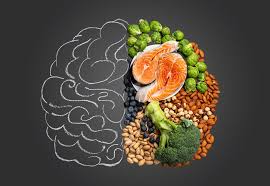
  • Fatty fish – Improves brain structure and mood
  • Leafy greens – Rich in antioxidants and B vitamins
  • Nuts & seeds – Help fight depression and anxiety
  • Berries – Contain flavonoids that support cognition
  • Yogurt and fermented foods – Contain probiotics for gut health
  • Dark chocolate – Boosts endorphins and serotonin

Foods That Negatively Affect Mental Health

Avoid or Limit These

  • Refined sugars – Cause mood crashes and increase anxiety
  • Processed foods – Contain unhealthy fats and chemicals
  • Caffeine in excess – Can worsen anxiety and disrupt sleep
  • Alcohol – Depresses the central nervous system
  • Artificial additives – May affect mood and behavior

Mental Health Conditions Influenced by Diet

Depression

Low levels of nutrients like omega-3s, folate, and magnesium are linked to higher risks of depression.

Anxiety

High caffeine or sugar intake can trigger or worsen anxiety. Magnesium and probiotics help calm the nervous system.

ADHD

A diet high in sugar and low in omega-3s may contribute to hyperactivity and focus issues.

Cognitive Decline

Poor nutrition increases the risk of dementia and memory loss. A Mediterranean-style diet helps reduce this risk.


Developing Healthy Eating Habits for Mental Wellness

Daily Tips

  • Eat regular, balanced meals
  • Stay hydrated
  • Include all food groups
  • Limit junk food to occasional treats
  • Keep a food journal to track mood changes after meals

Meal Planning

Meal TimeMental Health-Friendly Option
BreakfastOats with berries and chia seeds
LunchGrilled chicken with quinoa and leafy greens
SnackYogurt with walnuts or banana with peanut butter
DinnerBaked salmon, brown rice, and steamed broccoli

When to See a Nutritionist or Doctor

If you experience:

  • Sudden mood changes
  • Ongoing fatigue or brain fog
  • Anxiety or depression symptoms
  • Eating disorders or extreme diets

A registered dietitian or mental health professional can help customize a nutrition plan to support both physical and emotional health.


Conclusion

Your brain is like a car—it needs the right fuel to function properly. Eating a balanced diet rich in whole, nutrient-dense foods not only benefits your physical body but also has a profound effect on your mental well-being. Whether you’re trying to lift your mood, reduce anxiety, or simply feel more focused and energetic, nutrition is a powerful tool in your mental health toolkit. Start small, stay consistent, and feed your mind with care.


8 Frequently Asked Questions (FAQs)

1. Can poor nutrition cause mental health problems?

Yes. Diets low in nutrients and high in processed foods can increase the risk of depression, anxiety, and mood swings.

2. What is the best diet for mental health?

A Mediterranean-style diet rich in vegetables, healthy fats, lean protein, and whole grains is highly recommended.

3. Does sugar affect mood?

Yes. Sugar can cause temporary highs followed by energy crashes, irritability, and anxiety.

4. Can drinking water improve mental clarity?

Absolutely. Dehydration affects mood, concentration, and cognitive performance.

5. Are supplements necessary for mental health?

Supplements may help if you have deficiencies, but it’s best to get nutrients from food first and consult a healthcare provider.

6. How fast can diet changes affect mood?

Some people feel improvements in energy and mood within days or weeks of changing their diet.

7. Do probiotics help with mental health?

Yes. Probiotics improve gut health, which can positively influence mood and reduce symptoms of anxiety or depression.

8. Should I stop eating junk food completely?

You don’t have to eliminate it entirely. Moderation is key. Focus on a balanced diet while occasionally enjoying treats.


You Might Also Like

Counseling Services to Support Mental Health and Life Balance

Understanding GNSS Spoofing and Its Impact on Modern Navigation Systems

The Link Between Childhood Experiences and Long-Term Mental Health

Understanding Anxiety Disorders

Comprehensive Guide to Child Mental Health and Support Services

Share This Article
Facebook Twitter Email Print
Leave a comment Leave a comment

Leave a Reply Cancel reply

Your email address will not be published. Required fields are marked *

New Releases

- Advertisement -
Ad image

Trending Stories

Recover From Knee Pain
Pain Management

How To Recover From Knee Pain

August 7, 2025
Solutions for Chronic Cough
Health

Identifying Triggers and Solutions for Chronic Cough

November 21, 2025
Healthy teeth and gums help you eat, speak, and smile with ease. Yet many people wait for pain before seeing a dentist. Is that the best way to care for your mouth? Preventive care focuses on stopping problems before they grow. With the right habits and routine visits, you can avoid many common issues. Simple steps taken early can protect your teeth for years. This guide shares expert tips to improve oral health through daily care, smart choices, and early checks that support long-term wellness. Build Strong Foundations With Routine Dental Visits Regular dental visits are the basis of good oral health. Dentists clean areas that brushing may miss and remove plaque before it hardens. These visits also help spot small problems early, when they are easier to treat. Cleanings keep gums healthy and reduce bad breath. Routine care builds trust with your provider and helps you feel at ease. Over time, these visits support strong teeth and fewer surprises. Practice Daily Habits That Protect Teeth and Gums Daily habits play a big role in oral wellness. Brushing twice a day removes food and plaque that cause decay. Flossing helps clean between teeth where brushes cannot reach. Using fluoride toothpaste adds extra protection to enamel. Drinking water also helps wash away sugars. Small actions done well make a real difference and support a healthy smile. Use Early Detection to Prevent Bigger Problems Early detection helps stop minor issues from turning serious. Dentists check for cavities, gum disease, and signs of wear. They may also spot changes in the mouth that need quick care. Finding problems early often means simpler treatment and lower costs. It also reduces stress and discomfort. Regular checks give peace of mind and protect long-term oral health. Choose Quality Care That Fits Your Needs Quality care goes beyond tools and machines. Look for providers who explain options in clear, simple words. They should listen to concerns and answer questions with patience. Clean spaces and clear safety steps also matter. Sometimes, a single day is all it takes to get the quality care you need when you visit or choose the right dental team. When care feels personal, people are more likely to return and stay consistent. Support Long-Term Wellness With Smart Choices Oral health connects to overall wellness. Eating less sugar helps prevent decay and gum issues. Avoiding tobacco protects gums and lowers health risks. Wearing mouth guards during sports prevents injury. These smart choices support teeth for the long run. Preventive care is not one step but a lifestyle built on steady, healthy decisions. Start Improving Your Oral Health With These Expert Preventive Care Tips Now Improving oral health does not need to be hard or confusing. Preventive care focuses on routine visits, daily habits, and early checks that protect your smile. When problems are found early, treatment is often easier and less costly. Choosing quality care builds trust and keeps you informed. Smart choices at home also support long-term wellness. Together, these steps help maintain healthy teeth and gums for years, leading to comfort, confidence, and better overall health. For more helpful tips, be sure to read other articles on different topics across our blog.
Dentistry

Improve Oral Health With Expert Preventive Care Tips

December 26, 2025
Enhance Financial Stability With Smart Asset Management
Finance

Enhance Financial Stability With Smart Asset Management

December 31, 2025
Dentistry

How Diet Affects Your Dental Health: What to Eat and Avoid

June 30, 2025
Balloon Sinuplasty Treatment
Health

How To Prepare for a Balloon Sinuplasty Treatment

September 22, 2025

Follow US on Social Media

Facebook Youtube Steam Twitch Unity
DigitalConnectMag.Com
  • Contact Us
  • About Us
  • Privacy Policy
Welcome Back!

Sign in to your account

Lost your password?