

DigitalConnectMag.Com
  • Home
  • Technology
  • Business
  • Health
    • General Health
    • Dentistry
    • Women Health
    • Cardiology
    • Mental Health
    • Gynecology
    • Pain Management
  • Finance
  • Law
  • About Us
  • Contact Us
Reading: Common Causes and Treatments for Cracked Teeth
Share
DigitalConnectMag.ComDigitalConnectMag.Com
Aa
  • Home
  • Contact Us
  • About Us
  • Privacy Policy
Search
  • Home
  • Technology
  • Business
  • Health
    • Dentistry
    • Women Health
    • Cardiology
    • Mental Health
    • Gynecology
    • Pain Management
  • Finance
  • Law
Have an existing account? Sign In
Follow US
© Foxiz News Network. Ruby Design Company. All Rights Reserved.
Dentistry

Common Causes and Treatments for Cracked Teeth

Oliver
Last updated: 2025/09/24 at 3:59 PM
Oliver
Share
5 Min Read
Treatments for Cracked Teeth
SHARE

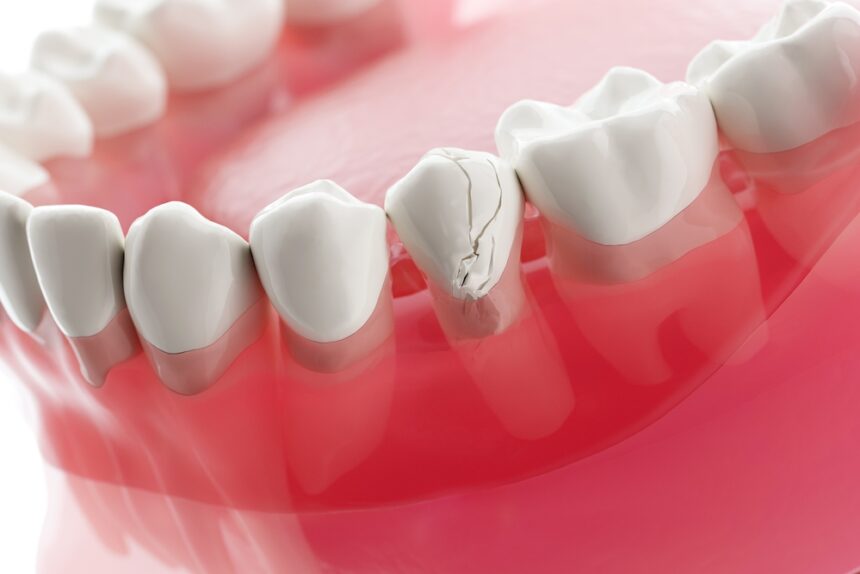
Cracked teeth occur when the structure of a tooth fractures or splits. The nature of the damage varies, ranging from small, subtle lines to larger breaks that extend below the gum line. This condition affects the integrity of the tooth, and it may lead to further complications, such as infection, if left untreated. Here are some common causes and treatments for cracked teeth:

Contents
Identifying Causes of Tooth FracturesRecognizing Signs of Tooth CracksExploring Treatment Approaches and ManagementImplementing Preventive StrategiesFind Professional Treatment for Cracked Teeth

Identifying Causes of Tooth Fractures

Multiple circumstances and behavioral patterns can place stress on teeth, making them vulnerable to cracks. A combination of external forces and internal stressors may weaken tooth structure over time. Bruxism involves repeatedly grinding or clenching your teeth, often during sleep, and it places excessive force on the enamel. Chewing hard objects, such as ice cubes, hard candies, or unpopped popcorn kernels, is another factor that contributes to cracks.

Larger dental fillings may compromise tooth integrity, making teeth less able to withstand pressure. Physical trauma is an additional cause of cracked teeth. Sports-related contact or accidental injury can directly impact the enamel, producing visible or hidden fractures over time.

Recognizing Signs of Tooth Cracks

Symptoms associated with cracked teeth differ according to the depth and location of each fracture. Not all cracks are immediately noticeable. Some small cracks are visible, but others remain microscopic and require professional evaluation for detection. When a tooth fracture occurs, you may experience:

  • Intermittent pain, particularly while chewing or releasing a bite, as movement can subtly open or close a crack.
  • Sensitivity when consuming hot, cold, or very sweet foods, which may signal exposure of the tooth’s inner layer.
  • Swelling in the gum surrounding a tooth, sometimes emerging if the crack becomes irritated or leads to further concerns.

Exploring Treatment Approaches and Management

Treatment for a cracked tooth depends on the type and severity of the crack. A key goal in management is to reduce discomfort and maintain as much healthy tooth structure as possible. Superficial cracks are known as craze lines, and they occur in the enamel. These may not require intervention. For more pronounced fractures, a dental professional may recommend dental bonding, where composite resin fills the crack, restoring structure.

In cases where the damage involves both the enamel and underlying layers, a dental crown is a possible treatment option. Dentists may use the crown to cover and reinforce the tooth. Some severe fractures that reach the pulp prompt procedures aimed at saving the tooth’s function, such as root canal therapy. This procedure removes damaged or infected pulp and seals the tooth to prevent further infection. In situations where the tooth is irreparably damaged, extraction may be necessary, followed by options like dental implants or bridges to restore function and aesthetics.

Implementing Preventive Strategies

To reduce the risk of cracked teeth, avoid chewing hard items, and refrain from using your teeth for tasks other than eating, such as opening packaging. Wearing a mouthguard during sports is another fundamental way to minimize the risk of trauma. If you are prone to grinding your teeth at night, it may be helpful to obtain a custom-fitted nightguard to distribute pressure and protect your teeth.

Practicing good oral hygiene, such as regular brushing, flossing, and routine professional evaluations, supports strong and resilient teeth. You should also schedule regular dental checkups. These visits provide an opportunity for a professional to examine your teeth and identify small cracks before they progress into larger structural concerns.

Find Professional Treatment for Cracked Teeth

Cracked teeth can result from daily habits, physical impacts, or structural weaknesses. Understanding the causes and recognizing the symptoms helps maintain long-term oral health. If you suspect a cracked tooth or experience persistent symptoms, prompt evaluation by a dental professional is key. Visit a specialist today to safeguard your teeth and maintain a healthy smile.

You Might Also Like

How a Confident Smile Enhances Your Professional Presence

When Dental Crowns Become the Best Treatment for Damaged Teeth Care

Essential Steps to Take When a Dental Crisis Strikes

Top Dental Treatments for Healthy Teeth and Gums

How Much Should You Really Pay for Orthodontic Care?

Share This Article
Facebook Twitter Email Print
Leave a comment Leave a comment

Leave a Reply Cancel reply

Your email address will not be published. Required fields are marked *

New Releases

- Advertisement -
Ad image

Trending Stories

Healthy teeth and gums help you eat, speak, and smile with ease. Yet many people wait for pain before seeing a dentist. Is that the best way to care for your mouth? Preventive care focuses on stopping problems before they grow. With the right habits and routine visits, you can avoid many common issues. Simple steps taken early can protect your teeth for years. This guide shares expert tips to improve oral health through daily care, smart choices, and early checks that support long-term wellness. Build Strong Foundations With Routine Dental Visits Regular dental visits are the basis of good oral health. Dentists clean areas that brushing may miss and remove plaque before it hardens. These visits also help spot small problems early, when they are easier to treat. Cleanings keep gums healthy and reduce bad breath. Routine care builds trust with your provider and helps you feel at ease. Over time, these visits support strong teeth and fewer surprises. Practice Daily Habits That Protect Teeth and Gums Daily habits play a big role in oral wellness. Brushing twice a day removes food and plaque that cause decay. Flossing helps clean between teeth where brushes cannot reach. Using fluoride toothpaste adds extra protection to enamel. Drinking water also helps wash away sugars. Small actions done well make a real difference and support a healthy smile. Use Early Detection to Prevent Bigger Problems Early detection helps stop minor issues from turning serious. Dentists check for cavities, gum disease, and signs of wear. They may also spot changes in the mouth that need quick care. Finding problems early often means simpler treatment and lower costs. It also reduces stress and discomfort. Regular checks give peace of mind and protect long-term oral health. Choose Quality Care That Fits Your Needs Quality care goes beyond tools and machines. Look for providers who explain options in clear, simple words. They should listen to concerns and answer questions with patience. Clean spaces and clear safety steps also matter. Sometimes, a single day is all it takes to get the quality care you need when you visit or choose the right dental team. When care feels personal, people are more likely to return and stay consistent. Support Long-Term Wellness With Smart Choices Oral health connects to overall wellness. Eating less sugar helps prevent decay and gum issues. Avoiding tobacco protects gums and lowers health risks. Wearing mouth guards during sports prevents injury. These smart choices support teeth for the long run. Preventive care is not one step but a lifestyle built on steady, healthy decisions. Start Improving Your Oral Health With These Expert Preventive Care Tips Now Improving oral health does not need to be hard or confusing. Preventive care focuses on routine visits, daily habits, and early checks that protect your smile. When problems are found early, treatment is often easier and less costly. Choosing quality care builds trust and keeps you informed. Smart choices at home also support long-term wellness. Together, these steps help maintain healthy teeth and gums for years, leading to comfort, confidence, and better overall health. For more helpful tips, be sure to read other articles on different topics across our blog.
Dentistry

Improve Oral Health With Expert Preventive Care Tips

December 26, 2025
Cardiology

The Importance of Regular ECG and Cardiac Checkups

June 30, 2025
Business

Choosing the Right High-Security Locks for Your Business Doors

January 7, 2026
Running Trainer Certification for Fitness Professionals
Cardiology

Running Trainer Certification for Fitness Professionals

May 19, 2026
Hand Surgeons
Health

Rehabilitation Techniques Recommended by Hand Surgeons

November 16, 2025
Blog

How to Choose the Right Pool Design for Your Home

December 10, 2025

Follow US on Social Media

Facebook Youtube Steam Twitch Unity
DigitalConnectMag.Com
  • Contact Us
  • About Us
  • Privacy Policy
Welcome Back!

Sign in to your account

Lost your password?