

DigitalConnectMag.Com
  • Home
  • Technology
  • Business
  • Health
    • General Health
    • Dentistry
    • Women Health
    • Cardiology
    • Mental Health
    • Gynecology
    • Pain Management
  • Finance
  • Law
  • About Us
  • Contact Us
Reading: Podiatry Techniques for Treating Common Conditions
Share
DigitalConnectMag.ComDigitalConnectMag.Com
Aa
  • Home
  • Contact Us
  • About Us
  • Privacy Policy
Search
  • Home
  • Dentistry
  • Women Health
  • Cardiology
  • Mental Health
  • Gynecology
  • Pain Management
Have an existing account? Sign In
Follow US
© Foxiz News Network. Ruby Design Company. All Rights Reserved.
Health

Podiatry Techniques for Treating Common Conditions

Oliver
Last updated: 2025/12/12 at 5:14 PM
Oliver
Share
5 Min Read
Podiatry Techniques
SHARE

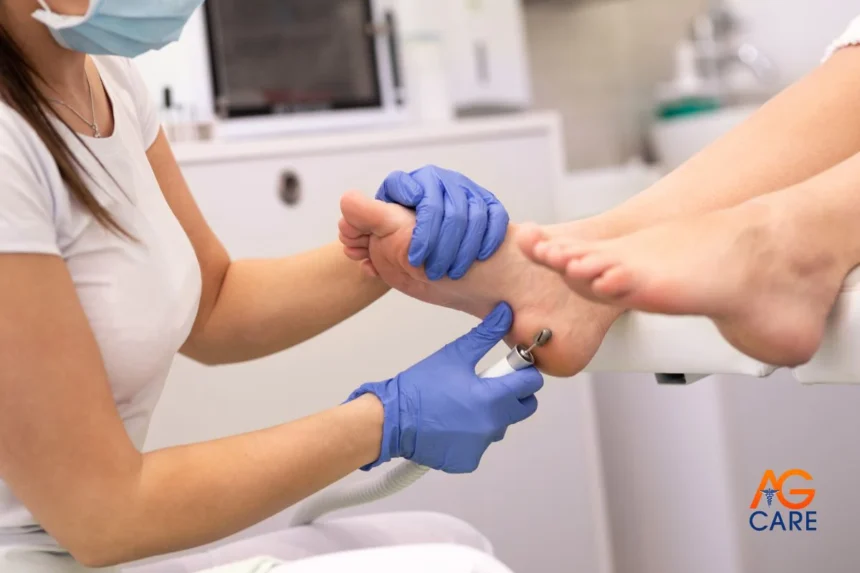
Podiatry is a specialized field of medicine, and it focuses on diagnosing and treating conditions affecting the foot, ankle, and lower leg. Podiatrists manage various issues ranging from fractures and sprains to chronic diseases like diabetes that impact lower limb health. Because the feet bear the weight of the entire body, maintaining their function is necessary for mobility and overall well-being. Here are some podiatry techniques for foot and ankle conditions:

Contents
Physical TherapyCustom OrthoticsAnti-inflammatory MedicationsPlatelet-rich Plasma TherapyFind Podiatry Services Near You

Physical Therapy

Physical therapy is used to strengthen the muscles surrounding the foot and ankle, and it may improve stability and range of motion. A specialist guides you through specific exercises that target weak areas and stretch tight tissues. If you recover from surgery or an injury, a structured rehabilitation program helps restore function safely. These exercises help prevent future injuries by addressing underlying mechanical deficits.

Custom Orthotics

Custom orthotics are medical devices that you wear inside your shoes to correct biomechanical foot issues, and they are designed specifically for the unique shape of your foot. While you can buy generic insoles at a pharmacy, custom devices provide support that aligns strictly with your personal anatomy. They modify how your foot strikes the ground while you walk or run.

The process of creating these devices begins with a thorough examination of your feet and walking patterns. A podiatrist takes a scan of your foot, which serves as the blueprint for the orthotic. Since the device is typically fabricated from durable materials, it may withstand daily wear better than over-the-counter options. This personalized approach addresses structural abnormalities directly.

Patients utilize orthotics to redistribute pressure away from painful areas, and this helps alleviate strain on the plantar fascia or other connective tissues. While some people need rigid devices to control motion, others require softer materials that provide cushioning and shock absorption. The right type depends entirely on the specific condition being treated.

Anti-inflammatory Medications

In podiatry, medications help manage pain and swelling associated with foot conditions. Nonsteroidal anti-inflammatory drugs (NSAIDs) help reduce inflammation by blocking specific enzymes in the body. Your doctor might recommend over-the-counter options like ibuprofen, or they may prescribe stronger drugs for acute cases. 

Corticosteroids offer another method for controlling severe inflammation in joints or soft tissues, and they target the affected area via injection. Because the medication goes straight to the source of pain, it provides rapid relief for conditions like tendinitis or arthritis. Systemic side effects may be lower with local injections compared to oral steroids.

Platelet-rich Plasma Therapy

Platelet-rich plasma (PRP) therapy utilizes the body’s own healing mechanisms to repair injured tendons, ligaments, muscles, and joints. A small sample of your blood is drawn, and it is then spun in a centrifuge to concentrate the platelets. When needed, these concentrated platelets release growth factors that recruit and increase the proliferation of reparative cells.

The preparation process is relatively quick and typically takes place in the office setting. Once the plasma is separated, the provider injects it precisely into the injured tissue using ultrasound guidance. Since the substance comes from your own body, the risk of an allergic reaction or rejection is minimal. Conditions treated with PRP include:

  • Plantar fasciitis
  • Achilles tendinitis
  • Ankle sprains
  • Arthritis

Find Podiatry Services Near You

Locating a qualified podiatrist is the first step toward addressing persistent foot or ankle pain. Many clinics offer comprehensive evaluations to determine which treatment approach suits your specific needs. When you schedule a consultation, you gain access to diagnostic tools and professional expertise. Contact a local podiatry office today to discuss your symptoms.


You Might Also Like

Understanding the Autism Spectrum: A Comprehensive Guide

What Makes a Dental Website Stand Out in a Competitive Market

Acupuncture as Part of Integrative Care: Enhancing Holistic Wellness

Get Clear Legal Guidance for Stronger, Safer Decisions

Tailoring Treatment: Four Key Factors to Consider When Using Custom Medications

Share This Article
Facebook Twitter Email Print
Leave a comment Leave a comment

Leave a Reply Cancel reply

Your email address will not be published. Required fields are marked *

New Releases

- Advertisement -
Ad image

Trending Stories

Identifying Varicose Veins
General Health

Identifying Varicose Veins and When To Treat Them

August 19, 2025
Healthy teeth and gums help you eat, speak, and smile with ease. Yet many people wait for pain before seeing a dentist. Is that the best way to care for your mouth? Preventive care focuses on stopping problems before they grow. With the right habits and routine visits, you can avoid many common issues. Simple steps taken early can protect your teeth for years. This guide shares expert tips to improve oral health through daily care, smart choices, and early checks that support long-term wellness. Build Strong Foundations With Routine Dental Visits Regular dental visits are the basis of good oral health. Dentists clean areas that brushing may miss and remove plaque before it hardens. These visits also help spot small problems early, when they are easier to treat. Cleanings keep gums healthy and reduce bad breath. Routine care builds trust with your provider and helps you feel at ease. Over time, these visits support strong teeth and fewer surprises. Practice Daily Habits That Protect Teeth and Gums Daily habits play a big role in oral wellness. Brushing twice a day removes food and plaque that cause decay. Flossing helps clean between teeth where brushes cannot reach. Using fluoride toothpaste adds extra protection to enamel. Drinking water also helps wash away sugars. Small actions done well make a real difference and support a healthy smile. Use Early Detection to Prevent Bigger Problems Early detection helps stop minor issues from turning serious. Dentists check for cavities, gum disease, and signs of wear. They may also spot changes in the mouth that need quick care. Finding problems early often means simpler treatment and lower costs. It also reduces stress and discomfort. Regular checks give peace of mind and protect long-term oral health. Choose Quality Care That Fits Your Needs Quality care goes beyond tools and machines. Look for providers who explain options in clear, simple words. They should listen to concerns and answer questions with patience. Clean spaces and clear safety steps also matter. Sometimes, a single day is all it takes to get the quality care you need when you visit or choose the right dental team. When care feels personal, people are more likely to return and stay consistent. Support Long-Term Wellness With Smart Choices Oral health connects to overall wellness. Eating less sugar helps prevent decay and gum issues. Avoiding tobacco protects gums and lowers health risks. Wearing mouth guards during sports prevents injury. These smart choices support teeth for the long run. Preventive care is not one step but a lifestyle built on steady, healthy decisions. Start Improving Your Oral Health With These Expert Preventive Care Tips Now Improving oral health does not need to be hard or confusing. Preventive care focuses on routine visits, daily habits, and early checks that protect your smile. When problems are found early, treatment is often easier and less costly. Choosing quality care builds trust and keeps you informed. Smart choices at home also support long-term wellness. Together, these steps help maintain healthy teeth and gums for years, leading to comfort, confidence, and better overall health. For more helpful tips, be sure to read other articles on different topics across our blog.
Dentistry

Improve Oral Health With Expert Preventive Care Tips

December 26, 2025
Law

Key Steps in Negotiating a Divorce Settlement

January 17, 2026
Cosmetic Dentistry
Dentistry

What Makes Someone a Good Candidate for Cosmetic Dentistry?

August 13, 2025
Alleviate Neck Pain and Improve Mobility
Pain Management

Effective Exercises to Alleviate Neck Pain and Improve Mobility

August 22, 2025
Non-Surgical Face Lift
Technology

How a Non-Surgical Face Lift Provides an Alternative to Surgery

September 8, 2025

Follow US on Social Media

Facebook Youtube Steam Twitch Unity
DigitalConnectMag.Com
  • Contact Us
  • About Us
  • Privacy Policy
Welcome Back!

Sign in to your account

Lost your password?