

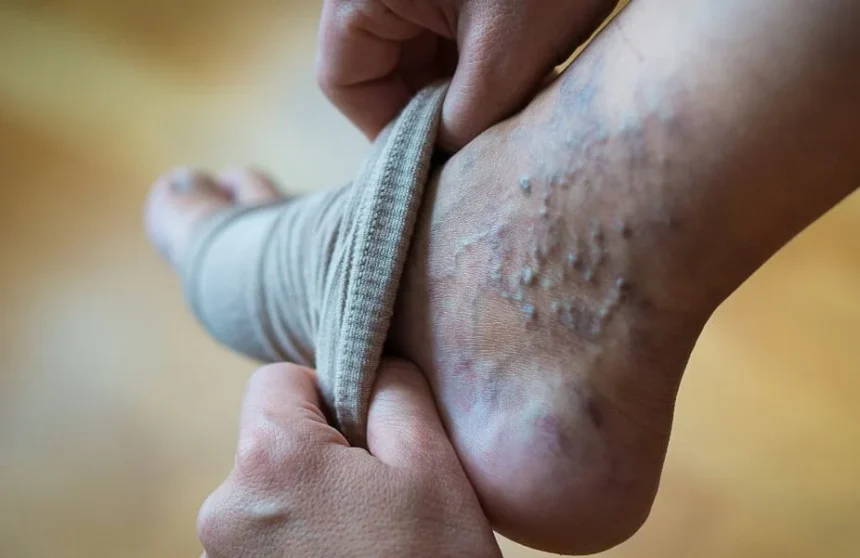
Varicose veins are twisted, enlarged veins, and they may disrupt daily life or alter the appearance of your skin. For many people, varicose veins are simply a cosmetic concern. For others, they can cause aching pain and discomfort. Here is more information about remedies and lifestyle changes to improve symptoms related to varicose veins:
Exercise Routines
Because blood flow increases when muscles contract, regular movement can help improve circulation in your legs. You might try low-impact activities like walking or swimming. These exercises help calf muscles pump blood, and they put minimal strain on your joints.
Gentle leg exercises are another option for people living with varicose veins. You can do leg lifts lying down or sitting. While you are sitting, you might also try flexing your feet up and down. These simple motions are designed to get the blood moving.
Staying consistent with exercise routines is key to seeing benefits over time. You can easily integrate short activity breaks into your day to keep your blood flowing. While regular movement is essential, it’s also important to listen to your body and avoid overexertion, especially if you’re new to exercising.
Body Weight Management
Maintaining a healthy body weight may reduce pressure on your veins. If excess weight strains your circulatory system, it typically makes it harder for blood to return to the heart. Your doctor can help determine a healthy weight for you. A balanced diet and regular exercise support weight management goals. By focusing on eating whole foods, you can create a sustainable physical activity plan. Losing even a small amount of weight may lessen symptoms.
Compression Socks
Compression socks apply gentle pressure to your legs. They are designed to be tightest at the ankle and gradually loosen as they move up the leg, encouraging blood flow to move upward. You will find them available in different sizes and pressure levels.
Doctors sometimes recommend wearing them during the day. This consistent pressure helps support the veins. It may also reduce swelling and aching in the legs. Different types of compression socks include:
- Support pantyhose
- Gradient compression stockings
- Prescription compression stockings
It is a good practice to put them on in the morning. Your legs typically have the least swelling when you wake up, so applying the socks then is often easiest. You can remove them before going to bed.
Diet Changes
Specific dietary adjustments may support your vein health and help reduce symptoms of varicose veins. Eat high-fiber foods to prevent constipation, and straining during a bowel movement puts extra pressure on your veins. Include items like oats, flaxseed, and fresh produce in your meals.
Reducing sodium intake is also beneficial. High-salt foods typically cause the body to retain water, which may increase swelling. Reading food labels helps you monitor your daily sodium consumption. Limiting processed foods is a simple way to reduce salt intake.
Get Treated for Varicose Veins
While lifestyle changes offer support, they do not cure varicose veins. Medical treatments are available for permanent removal, and a specialist can evaluate your specific situation. If your symptoms interfere with your daily life, it may be time to seek a professional opinion. Contact a vascular institute to schedule a consultation with a vein specialist.