

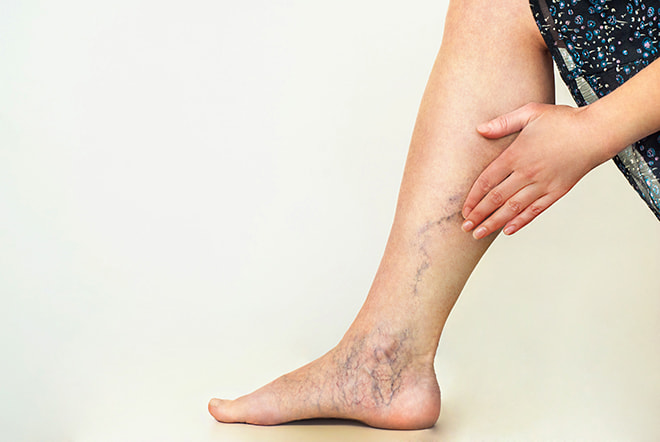
Varicose veins are enlarged, twisted veins that most often appear on the legs. While they are a common condition, identifying them early is beneficial. Understanding the signs and symptoms can help you determine if the visible veins on your skin are something to monitor. Consulting with a vein specialist can provide clarity and guidance if you are concerned about your vein health.
Spot the Early Signs
Varicose veins often manifest visually as dark purple or blue veins, appearing twisted and bulging prominently on the legs. Beyond their visible appearance, individuals frequently report sensations such as aching, heaviness, burning, throbbing, or muscle cramps, accompanied by swelling in the lower legs. These symptoms typically intensify after prolonged periods of sitting or standing.
Some individuals also experience increased pain after resting, accompanied by itching around the affected veins or noticeable changes in skin color. It is beneficial to document these symptoms, noting their frequency and intensity meticulously. This detailed record will be helpful during discussions with your vein specialist to provide an accurate diagnosis and appropriate treatment plan.
Understand the Causes
Varicose veins occur when weakened or damaged valves in the veins disrupt normal blood flow. Veins in the legs work against gravity to return blood to the heart, utilizing tiny valves to prevent blood from flowing backward. When these valves fail, blood pools in the veins, causing them to stretch, twist, and enlarge, becoming visible under the skin. This pressure often worsens symptoms after prolonged standing.
Know the Risk Factors
Several factors can increase a person’s likelihood of developing varicose veins. While anyone can develop them, certain elements can heighten your risk. Understanding these factors can help you be more aware of your own vein health. Some common risk factors include:
- Age: The risk of varicose veins increases with age as the valves in the veins may weaken over time.
- Sex: Women are more likely to develop the condition due to hormonal changes during pregnancy, pre-menstruation, or menopause, which can relax vein walls.
- Family History: If other family members have had varicose veins, your risk of developing them is greater.
- Obesity: Excess weight puts added pressure on your veins, which can contribute to their development.
- Standing or Sitting for Long Periods: Jobs or lifestyles that involve prolonged immobility can hinder blood flow and increase pressure in the leg veins.
Explore Your Treatment Options
If you have varicose veins, treatment options range from self-care to medical procedures. Initial steps often include lifestyle adjustments, such as exercise, elevating your legs, and avoiding prolonged immobility, as well as wearing compression stockings to improve blood flow. For persistent discomfort or cosmetic concerns, advanced treatments are available to close or remove affected veins.
Consult a Vein Specialist Today
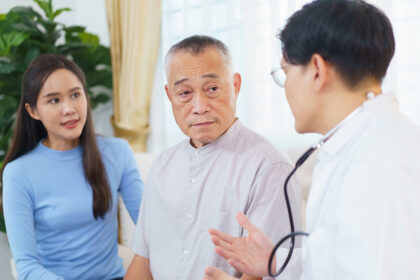
Identifying the signs and understanding the causes of varicose veins are the first steps in managing your vascular health. While lifestyle changes can provide relief, a professional evaluation offers a comprehensive understanding of your condition. A vein specialist can assess your symptoms and give an overview of suitable treatment options. If you are experiencing symptoms or have concerns about varicose veins, schedule a consultation with a vein specialist to receive personalized guidance and care.