


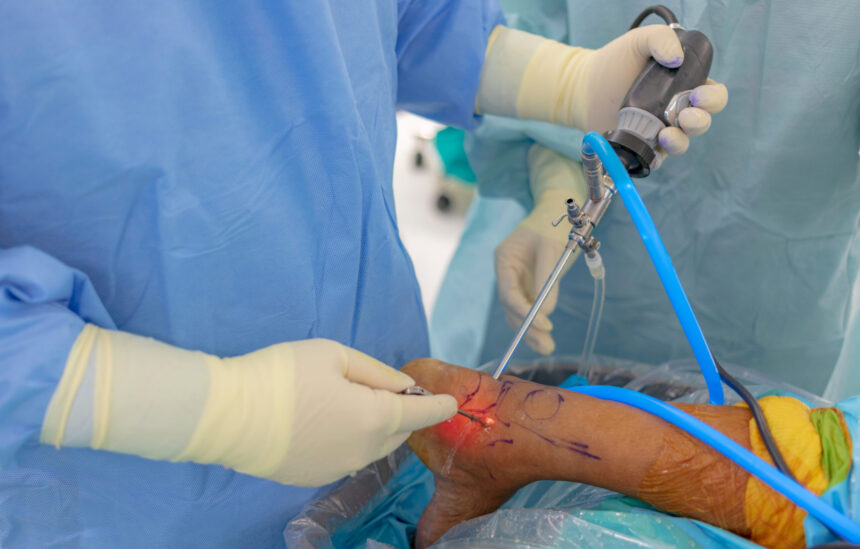
Understanding treatment options for an ankle injury is a key part of the recovery journey. Arthroscopy is a surgical procedure that allows surgeons to examine the inside of a joint. It involves a small camera, called an arthroscope, which is inserted through a tiny incision to see the joint’s interior without making a large opening. Here is more information about the role of this procedure:
Diagnose and Treat Injuries
One application of ankle arthroscopy is its use in diagnosing and treating joint problems. When standard imaging, such as X-rays or MRIs, does not provide a complete picture, a surgeon may use arthroscopy to obtain a direct view of the joint structures. The detailed images from the arthroscope allow the surgeon to identify the precise location and extent of an injury.
This procedure permits the surgeon to address some issues during the diagnostic process. If loose bodies, such as bone chips or cartilage fragments, are found, they may be removed. The ability to both diagnose and treat certain ankle conditions in a single procedure improves the process. This approach is used for issues such as ligament damage or cartilage injuries.
Repair Damage
Arthroscopy provides a method for repairing various types of ankle damage. Surgeons use specialized, pencil-thin instruments that are inserted through additional small incisions around the ankle. While viewing the joint on a monitor, the surgeon manipulates these instruments to perform repairs.
This technique is used to address cartilage damage, where a surgeon may smooth frayed surfaces or work to stimulate the growth of new cartilage. You can also address other conditions using this technique. Doctors can repair some ligament tears arthroscopically.
Doctors can also remove bone spurs that cause impingement, a condition where bone growth blocks normal movement and causes pain, which can also be removed using these instruments. The procedure’s goal is to repair the damaged tissues and restore more normal joint function. Recovery times for arthroscopic procedures may be shorter than those for open surgeries. This may allow patients to return to their daily activities more quickly.
Cause Less Bleeding
Compared to traditional open surgery, which requires a much larger incision, arthroscopic procedures are generally less invasive. The incisions for ankle arthroscopy are typically small, measuring only a few millimeters in length. Because the openings are minimal, there is less disruption to the surrounding muscles and tissues.
Reduce Pain
Patients might experience less post-operative pain with arthroscopy when compared to open surgical procedures. The reduced pain is directly related to the minimally invasive nature of the surgery. With smaller incisions and less disturbance to the surrounding soft tissues, the body’s pain response may be lessened.
While some discomfort is expected after any surgical procedure, the level of pain following arthroscopy may be more manageable for many individuals. This reduction in pain can facilitate an earlier start to rehabilitation exercises, which are a key component of the recovery process. Your care team will provide a plan to help you manage any post-operative discomfort.
Schedule Arthroscopy Treatment Today
Understanding the role of arthroscopy in treating ankle injuries can help you feel more prepared when discussing options with your doctor. This procedure gives surgeons a clear view inside the ankle joint to diagnose and repair damage with minimal disruption. If you are experiencing a persistent ankle injury, consulting a specialist can help determine the most suitable course of action for your specific situation. Contact a foot and ankle doctor today to schedule an appointment and learn more about your treatment options.