


Gastroenterology is a specialized field of medicine that focuses on the health of the digestive system. This system includes the esophagus, stomach, small intestine, colon and rectum, pancreas, gallbladder, bile ducts, and liver. Doctors in this field, known as gastroenterologists, diagnose and treat conditions affecting these organs. Here are some new techniques and treatments in this field:
Endoscopic Imaging
Endoscopic imaging enables doctors to visualize the interior of the digestive tract. Doctors typically use a thin, flexible tube with a camera, called an endoscope, to examine different parts of the digestive tract. These imaging techniques may provide more detailed views of the mucosal lining, which is the inner surface of the digestive tract.
Detailed images help doctors identify abnormalities that may not be visible with standard white-light endoscopy. During a colonoscopy, advanced imaging may help a gastroenterologist get a clearer picture of the colon’s surface. They can apply this technology in various endoscopic procedures, ranging from upper endoscopies that examine the esophagus and stomach to colonoscopies that inspect the large intestine.
These enhanced techniques improve the early detection of conditions such as polyps, inflammation, or cancerous growths. They also support the assessment of treatment efficacy by providing detailed views of healing or disease progression. By integrating advanced imaging into routine practice, healthcare professionals can offer more personalized and precise care for their patients.
Flexible Sigmoidoscopy
A flexible sigmoidoscopy is a procedure used to examine the lower part of the large intestine, known as the sigmoid colon. During the procedure, a slender, flexible tube with a light and a camera on the end is inserted into the rectum. This allows the doctor to view the inside of the rectum and most of the sigmoid colon.
Advanced Hemorrhoid Banding
Hemorrhoid banding is a standard, non-surgical procedure for treating internal hemorrhoids. The process involves placing a small rubber band around the base of a hemorrhoid. This action cuts off the blood supply to the hemorrhoid, causing it to shrink and fall off, typically within one to two weeks.
Recent advancements have focused on the devices used for banding. Newer tools are designed to make the procedure more efficient. Some devices use a gentle suction to grasp the hemorrhoid before deploying the band. This method is typically performed in a doctor’s office and does not require anesthesia.
Minimally Invasive Procedures
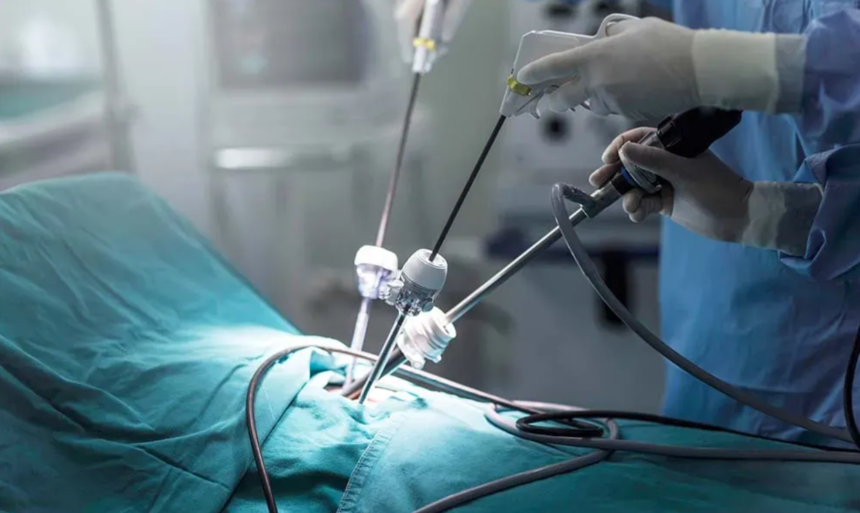
Minimally invasive procedures are becoming standard in gastroenterology for both diagnosis and treatment. These techniques are designed to accomplish medical goals with less disruption to the body compared to traditional open surgery. Some procedures combine endoscopy with ultrasound to obtain images of the digestive tract and surrounding tissues and organs.
Another procedure is used to diagnose and treat conditions of the bile and pancreatic ducts. Through an endoscope, a doctor can pass tiny tools to perform tasks like removing gallstones from the bile duct or placing a stent to open a blockage. These procedures typically involve shorter recovery times than conventional surgery.
Find Relief Through Gastroenterology
The field of gastroenterology offers a range of diagnostic tools and treatments to address various conditions affecting the digestive system. From advanced imaging that provides clearer views of the GI tract to minimally invasive procedures, these techniques are available to help manage your health. If you are experiencing digestive discomfort, speaking with a specialist is a practical next step. Schedule a consultation with a gastroenterologist today to discuss your symptoms and learn about the options available to you.