

Obstetrics is a medical field focused on pregnancy, childbirth, and the postpartum period. This specialty provides care that supports you and your baby from conception through recovery after birth. A postpartum visit is intended to help you recover, answer questions, and guide you through your first weeks as a new parent. Here are some things to expect during a postpartum visit:
Completing a Physical Exam
During a postpartum visit, you will likely undergo a thorough physical examination that evaluates how your body is healing. This assessment includes checking:
- Your weight, blood pressure, and pulse
- For common postpartum symptoms like swelling, high blood pressure, or signs of infection
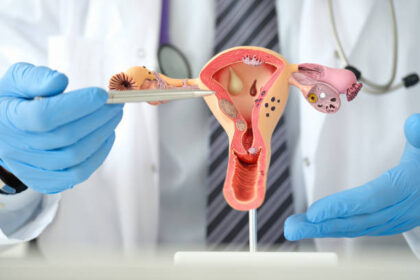
- The abdomen to assess the size and position of your uterus as it returns to its pre-pregnancy state
If you’ve had a cesarean section, the incision area will be examined for redness, drainage, or other signs that indicate delayed healing or infection. For vaginal delivery, the provider may perform a pelvic exam to evaluate the healing of an episiotomy. You can also discuss any bleeding patterns, pelvic pain, or discomfort during this visit, which can help identify concerns such as retained tissue or infection. Physical changes are common after birth, and your provider will let you know what to expect and when to seek additional help.
Assessing Emotional and Mental Health
The postpartum period can be emotionally challenging. Your obstetrics provider may ask about your mood, sleep, and appetite. They may talk to you about how you are handling the new responsibilities. It is common to feel overwhelmed or anxious, and these feelings often pass as you adjust.
Screening for postpartum depression and anxiety is usually a routine part of the visit. You might complete a short questionnaire about your emotions and your interest in daily activities. If you share that you feel persistently sad or disconnected from your baby, your provider will help you find support options.
Reviewing Breastfeeding and Baby Care
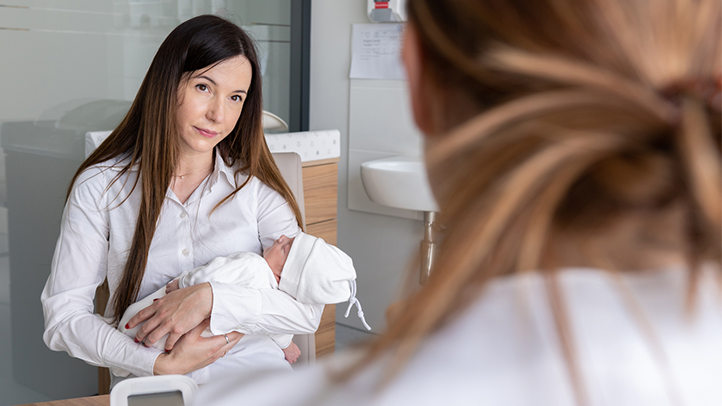
Feeding your baby and new routines are common topics during your postpartum visit. Your provider asks if your baby is breastfeeding or formula feeding, and how often your baby eats. Breastfeeding parents may discuss latch, supply, pain, nipple care, and ways to manage issues like engorgement or blocked ducts. If you are experiencing pain, your provider might look at your breasts for signs of mastitis or soreness.
Many appointments also go over your baby’s sleep, diapers, and behavior, which shows how your newborn is doing. You may have questions about cord care or your baby’s weight. This is a good time to discuss baby care and routines and address topics such as soothing a fussy baby.
Discussing Future Pregnancies
Talking about family planning is part of some postpartum visits. Your provider will look over your medical history and talk about birth control options safe for your recovery stage. Choices can include barrier methods such as condoms and non-hormonal or hormonal birth control that works with breastfeeding. You might hear about intrauterine devices (IUDs) or implants. Pregnancy spacing is sometimes discussed, as close pregnancies may place more demands on your body. If you plan to have more children, your provider will explain the benefits of waiting before trying again. Your health, age, and goals shape the advice you receive.
Work With an Obstetrics Specialist
Your postpartum checkup lets you focus on your recovery and learn about changes after childbirth. You can discuss physical healing, mental wellness, nutrition, and family planning in a supportive environment. These early weeks help shape your recovery and your bond with your baby. For guidance, contact an obstetrics specialist and schedule your postpartum visit today.