

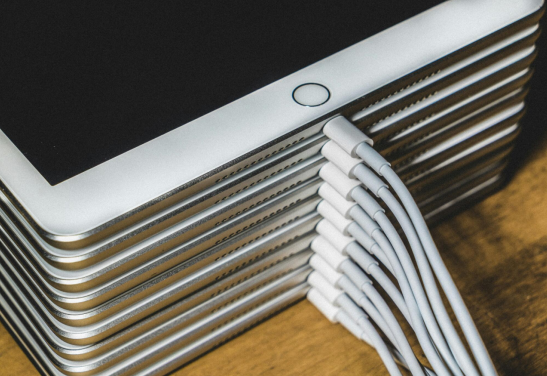
Optimize device management by centralizing storage, organizing equipment with clear labeling, and using mobile device management tools to track usage. Set up shared charging stations and adopt efficient charging solutions to reduce downtime and clutter.
In today’s fast-paced corporate environment, effective device management is more important than ever. With each employee usually equipped with various gadgets such as laptops, tablets, and smartphones, the challenge of keeping everything organized and running smoothly is a top priority for office managers.
A survey by Electric shows that employers waste about $4,072 per employee each year due to tech issues, highlighting how costly poor organization and device management can be. By implementing effective strategies, businesses can enhance productivity and foster a more organized workspace.
Understanding the Importance of Device Management
Effective device management allows for streamlined operations and enhances workplace efficiency. An efficient system means less downtime and more focus on critical tasks. Integrating technology effectively not only conserves valuable time but also boosts employee morale as they can find and use their devices without frustration. Here are some key reasons why device management is vital:
- Increased productivity: Employees can dedicate more time to their tasks rather than searching for devices.
- Organized storage: Proper management ensures everything has a designated place, reducing clutter.
- Enhanced security: A well-managed system can mitigate the risks of device loss and data breaches.
Innovative Strategies for Effective Device Storage
Effective device storage is a pillar of strong device management. Here are some innovative solutions to consider for your office:
- Dedicated Charging Stations: Set up centralized charging stations that allow multiple devices to charge simultaneously.
- Labeling Systems: Implement a labeling system for every device to make it easy to identify ownership and track devices quickly.
- Mobile Device Management (MDM) Applications: These can streamline the management process further by offering a real-time inventory of devices, ensuring that everything is accounted for.
Additionally, adopting smart storage solutions such as vertical stands for tablets or wall-mounted organizers can save space and reduce the risk of finding devices damaged or tucked away in corners. Check out this website to learn more.
Charging Solutions that Promote Office Efficiency
In any modern office, the availability of charging options is critical. Streamlined charging solutions can prevent workplace disruptions. Here are several charging solutions that can enhance your office environment:
- Wireless Charging: This eliminates the need for cables, allowing for a clean aesthetic.
- Multi-Port Chargers: An ideal choice for desks where multiple devices need charging at once.
- Portable Chargers: Providing employees with portable chargers fosters mobility, ensuring they are always powered while working remotely or in different locations within the office.
Maintaining the System
Once your device management system is in place, the next step is maintenance. Regular audits can help identify devices that are no longer in use or need updating. Schedule quarterly checks to review inventory and device allocation.
Furthermore, encourage feedback from employees to ensure that the systems implemented are working effectively and adapt to any new challenges that arise.
Final Thoughts
In conclusion, effective device management in modern offices significantly contributes to employee productivity and satisfaction. By leveraging innovative strategies for device storage and implementing charging solutions, companies can create an organized and efficient working environment.
If you’re looking for more ways to improve your office’s productivity, check out our other posts.