
DigitalConnectMag.Com
  • Home
  • Technology
  • Business
  • Health
    • General Health
    • Dentistry
    • Women Health
    • Cardiology
    • Mental Health
    • Gynecology
    • Pain Management
  • Finance
  • Law
  • About Us
  • Contact Us
Reading: Gynecological Disorders and Treatments
Share
DigitalConnectMag.ComDigitalConnectMag.Com
Aa
  • Home
  • Contact Us
  • About Us
  • Privacy Policy
Search
  • Home
  • Dentistry
  • Women Health
  • Cardiology
  • Mental Health
  • Gynecology
  • Pain Management
Have an existing account? Sign In
Follow US
© Foxiz News Network. Ruby Design Company. All Rights Reserved.
Gynecology

Gynecological Disorders and Treatments

Oliver
Last updated: 2025/11/14 at 2:11 PM
Oliver
Share
4 Min Read
Gynecological Disorders and Treatments
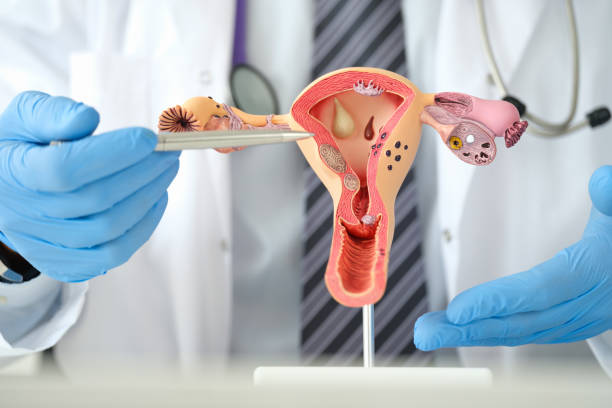
Man gynecologist showing female diseases with pen on plastic artificial model of uterus and ovaries closeup. Medical education concept
SHARE

Gynecological disorders are a group of conditions that affect the female reproductive system. These conditions can impact women at various stages of life, and their symptoms can range from mild to severe. Understanding these common disorders can be beneficial in managing women’s health, and regular consultation with a gynecologist can aid in an accurate diagnosis and effective care.

Contents
EndometriosisPolycystic Ovary SyndromeUterine FibroidsPelvic Inflammatory DiseaseConsult Your Gynecologist Today

Endometriosis

Endometriosis is a condition where tissue similar to the lining of the uterus grows outside of it. This misplaced tissue can cause significant pain, particularly during menstrual cycles. It may also lead to challenging fertility issues for affected individuals.

When consulting a gynecologist for suspected endometriosis, symptoms like painful intercourse, heavy bleeding, and discomfort with bowel movements are typically discussed. Treatment varies based on symptom severity and personal goals. Options include pain medication, hormone therapy, or surgical procedures to remove the endometrial tissue.

Polycystic Ovary Syndrome

Polycystic Ovary Syndrome (PCOS) is a hormonal disorder that affects many women of reproductive age. It is marked by symptoms such as irregular menstrual cycles, high levels of androgen (male hormones), and small fluid-filled sacs on the ovaries. Beyond reproductive health, PCOS can also impact metabolism, increasing the risk of conditions like diabetes and heart disease. While there is no cure, effective management can help reduce symptoms.

Here are some common ways to manage PCOS:

  • Lifestyle Changes: Adopting a balanced diet and regular exercise to improve metabolism and manage weight.
  • Medications: Options such as birth control pills to regulate menstrual cycles or anti-androgen medications to manage hormone levels.
  • Fertility Treatments: For those trying to conceive, options like ovulation-inducing medications may be recommended.
  • Targeted Treatments: Skincare or treatments to address acne, excess hair growth, or hair loss.
  • Regular Monitoring: Ongoing checkups to manage long-term risks like diabetes or cardiovascular conditions.

Uterine Fibroids

Uterine fibroids are noncancerous growths of the uterus that often appear during childbearing years. Many women have uterine fibroids at some point in their lives, but not all of them will experience symptoms. For those who do, symptoms can include heavy menstrual bleeding, pelvic pressure or pain, and frequent urination.

Treatment options depend on the size, location, and number of fibroids, as well as the severity of symptoms. These can range from medications that target hormones to regulate menstrual cycles to various surgical procedures. The goal of these treatments is to remove or destroy the fibroids, providing relief from symptoms.

Pelvic Inflammatory Disease

Pelvic Inflammatory Disease (PID) is an infection of the female reproductive organs. It most often occurs when sexually transmitted bacteria spread from the vagina to the uterus, fallopian tubes, or ovaries. While some individuals may not experience any signs or symptoms, those who do may include lower abdominal pain, unusual discharge, and fever. Prompt treatment with antibiotics is helpful to address the infection and prevent potential complications, such as chronic pelvic pain or difficulty conceiving.

Consult Your Gynecologist Today

Navigating symptoms related to gynecological health can be better managed with the guidance and support of a professional. Conditions like endometriosis, PCOS, uterine fibroids, and PID each have unique characteristics and require specific management approaches. Early and accurate diagnosis is key to addressing these issues effectively. If you are experiencing any concerning symptoms or have questions about your reproductive health, schedule an appointment with a gynecologist to receive an evaluation and discuss appropriate care options.


You Might Also Like

What to Expect During Your First Gynecologist Appointment

The Role of Regular OBGYN Check-ups for Women of All Ages

Key Gynecologic Services for Every Woman

What to Expect During Your Postpartum Visit

How Does an OBGYN Confirm Pregnancy?

Share This Article
Facebook Twitter Email Print
Leave a comment Leave a comment

Leave a Reply Cancel reply

Your email address will not be published. Required fields are marked *

New Releases

- Advertisement -
Ad image

Trending Stories

Invisalign Treatment Plan
Dentistry

What To Expect From an Invisalign Treatment Plan

August 23, 2025
Massage Therapy for Stress Relief
Health

The Benefits of Massage Therapy for Stress Relief

October 29, 2025
Teeth Whitening
Dentistry

Exploring Teeth Whitening Options

September 25, 2025
Acne Treatment
Blog

Acne Treatment: Reducing Acne with Stress Management Techniques

September 22, 2025
Healthy teeth and gums help you eat, speak, and smile with ease. Yet many people wait for pain before seeing a dentist. Is that the best way to care for your mouth? Preventive care focuses on stopping problems before they grow. With the right habits and routine visits, you can avoid many common issues. Simple steps taken early can protect your teeth for years. This guide shares expert tips to improve oral health through daily care, smart choices, and early checks that support long-term wellness. Build Strong Foundations With Routine Dental Visits Regular dental visits are the basis of good oral health. Dentists clean areas that brushing may miss and remove plaque before it hardens. These visits also help spot small problems early, when they are easier to treat. Cleanings keep gums healthy and reduce bad breath. Routine care builds trust with your provider and helps you feel at ease. Over time, these visits support strong teeth and fewer surprises. Practice Daily Habits That Protect Teeth and Gums Daily habits play a big role in oral wellness. Brushing twice a day removes food and plaque that cause decay. Flossing helps clean between teeth where brushes cannot reach. Using fluoride toothpaste adds extra protection to enamel. Drinking water also helps wash away sugars. Small actions done well make a real difference and support a healthy smile. Use Early Detection to Prevent Bigger Problems Early detection helps stop minor issues from turning serious. Dentists check for cavities, gum disease, and signs of wear. They may also spot changes in the mouth that need quick care. Finding problems early often means simpler treatment and lower costs. It also reduces stress and discomfort. Regular checks give peace of mind and protect long-term oral health. Choose Quality Care That Fits Your Needs Quality care goes beyond tools and machines. Look for providers who explain options in clear, simple words. They should listen to concerns and answer questions with patience. Clean spaces and clear safety steps also matter. Sometimes, a single day is all it takes to get the quality care you need when you visit or choose the right dental team. When care feels personal, people are more likely to return and stay consistent. Support Long-Term Wellness With Smart Choices Oral health connects to overall wellness. Eating less sugar helps prevent decay and gum issues. Avoiding tobacco protects gums and lowers health risks. Wearing mouth guards during sports prevents injury. These smart choices support teeth for the long run. Preventive care is not one step but a lifestyle built on steady, healthy decisions. Start Improving Your Oral Health With These Expert Preventive Care Tips Now Improving oral health does not need to be hard or confusing. Preventive care focuses on routine visits, daily habits, and early checks that protect your smile. When problems are found early, treatment is often easier and less costly. Choosing quality care builds trust and keeps you informed. Smart choices at home also support long-term wellness. Together, these steps help maintain healthy teeth and gums for years, leading to comfort, confidence, and better overall health. For more helpful tips, be sure to read other articles on different topics across our blog.
Dentistry

Improve Oral Health With Expert Preventive Care Tips

December 26, 2025
Seizure Patients
General Health

What Emergency Rooms Do for Seizure Patients

July 29, 2025

Follow US on Social Media

Facebook Youtube Steam Twitch Unity
DigitalConnectMag.Com
  • Contact Us
  • About Us
  • Privacy Policy
Welcome Back!

Sign in to your account

Lost your password?