


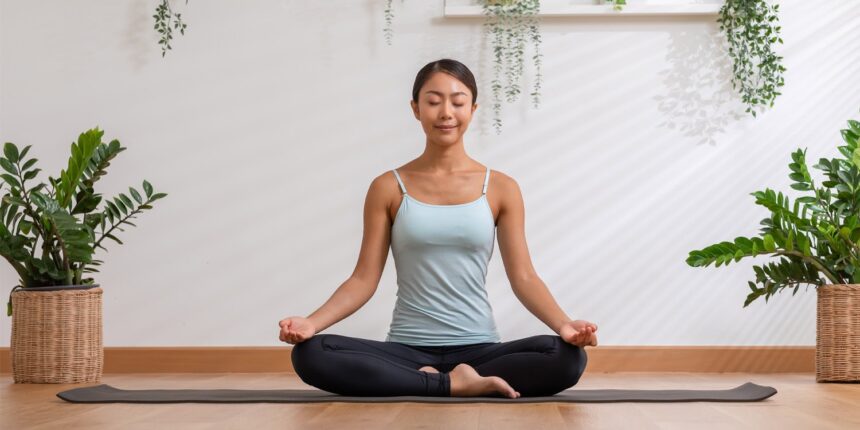
In a world full of distractions, stress, and endless responsibilities, finding moments of calm is essential. Mindfulness and meditation are powerful, time-tested tools that promote mental clarity, reduce stress, and bring balance to everyday life. Practiced by millions worldwide, these techniques support emotional well-being, sharpen focus, and create space for personal growth.
In this article, we’ll explore the core concepts of mindfulness and meditation, how they work, their benefits, and practical ways to integrate them into your daily routine.
What Is Mindfulness?
Definition of Mindfulness
Mindfulness is the practice of being fully present and aware of the moment without judgment. It involves paying attention to your thoughts, feelings, body sensations, and surroundings with openness and curiosity.
Key Aspects of Mindfulness
- Awareness: Recognizing what’s happening right now
- Non-judgment: Accepting thoughts and emotions as they are
- Intention: Making a conscious choice to focus on the present
What Is Meditation?
Definition of Meditation
Meditation is a structured practice that trains the mind to develop focus, clarity, and emotional calm. While mindfulness is a state of being, meditation is a tool to cultivate that state.
Common Types of Meditation
| Type | Focus Area |
|---|---|
| Mindfulness Meditation | Breathing, present-moment awareness |
| Loving-Kindness | Compassion and positive feelings |
| Body Scan | Physical sensations and relaxation |
| Mantra Meditation | Repetition of a word or phrase |
| Transcendental | Use of a specific mantra |
| Guided Meditation | Audio-led mental visualization |
The Science Behind Mindfulness and Meditation
How It Affects the Brain
Studies show that regular mindfulness and meditation can:
- Reduce activity in the amygdala (stress response center)
- Increase grey matter in areas responsible for memory and learning
- Improve connectivity in the prefrontal cortex (decision-making and focus)
Benefits on Mental Health
- Lowers cortisol (stress hormone) levels
- Increases dopamine and serotonin (mood-enhancing chemicals)
- Improves emotional regulation and resilience
How Mindfulness and Meditation Improve Mental Clarity
Enhanced Focus and Concentration
Practicing mindfulness trains your brain to stay on one task, helping you manage distractions and improve efficiency.
Better Emotional Control
It helps you observe thoughts and emotions without reacting impulsively, making it easier to stay calm under pressure.
Improved Decision-Making
A clear mind leads to better problem-solving, less mental clutter, and more thoughtful choices.
Practical Ways to Practice Mindfulness Daily
Mindful Activities
You can practice mindfulness during everyday activities:
- Mindful eating: Pay attention to taste, texture, and smell
- Mindful walking: Notice each step, movement, and surroundings
- Mindful breathing: Focus on your inhale and exhale rhythm
Tips for Beginners
- Start with just 5 minutes a day
- Sit comfortably in a quiet place
- Focus on your breath—when the mind wanders, gently bring it back
- Use mindfulness apps (e.g., Headspace, Calm)
How to Start a Meditation Practice
Step-by-Step Guide
- Find a quiet space
- Sit or lie down comfortably
- Close your eyes and relax
- Focus on your breathing or a mantra
- If thoughts arise, acknowledge them without judgment
- Gently return your attention to your breath
How Long Should You Meditate?
- Beginners: 5–10 minutes
- Intermediate: 15–30 minutes
- Advanced: 30 minutes to 1 hour
Consistency is more important than duration.
Common Challenges and How to Overcome Them
| Challenge | Solution |
|---|---|
| Racing thoughts | Accept and refocus on breath |
| Impatience | Set small, achievable goals (e.g., 5 minutes/day) |
| Physical discomfort | Adjust posture or use a cushion |
| Sleepiness | Try meditating in the morning instead |
Mindfulness and Meditation for Children and Teens
Benefits for Young Minds
- Enhances emotional regulation
- Reduces anxiety and hyperactivity
- Improves sleep and academic performance
How to Introduce It
- Use guided apps with animations and stories
- Keep sessions short and engaging
- Practice as a family for encouragement
Conclusion
Mindfulness and meditation are not just trendy practices—they’re life-changing tools for cultivating mental clarity, emotional balance, and peace of mind. Whether you’re seeking relief from stress or looking to improve your focus and well-being, these techniques can guide you toward a healthier, calmer, and more centered life. Remember: clarity begins with awareness.
8 Frequently Asked Questions (FAQs)
1. What is the difference between mindfulness and meditation?
Mindfulness is the state of being present, while meditation is the practice that develops mindfulness.
2. How long does it take to see benefits from meditation?
Some people notice changes in a few days, but consistent practice over weeks leads to lasting results.
3. Can I practice mindfulness without meditating?
Yes. Everyday activities like eating or walking can be done mindfully.
4. What is the best time of day to meditate?
Morning is ideal for a fresh start, but any quiet time that fits your routine works.
5. Can meditation help with anxiety?
Yes. Meditation calms the nervous system and reduces symptoms of anxiety and stress.
6. Do I need to sit cross-legged to meditate?
No. You can sit in a chair, lie down, or even stand—comfort is key.
7. Are meditation apps effective for beginners?
Yes. Apps offer guided meditations that are great for starting and building the habit.
8. Is it normal to have thoughts during meditation?
Absolutely. The goal is not to eliminate thoughts but to observe them without judgment and gently return focus.