


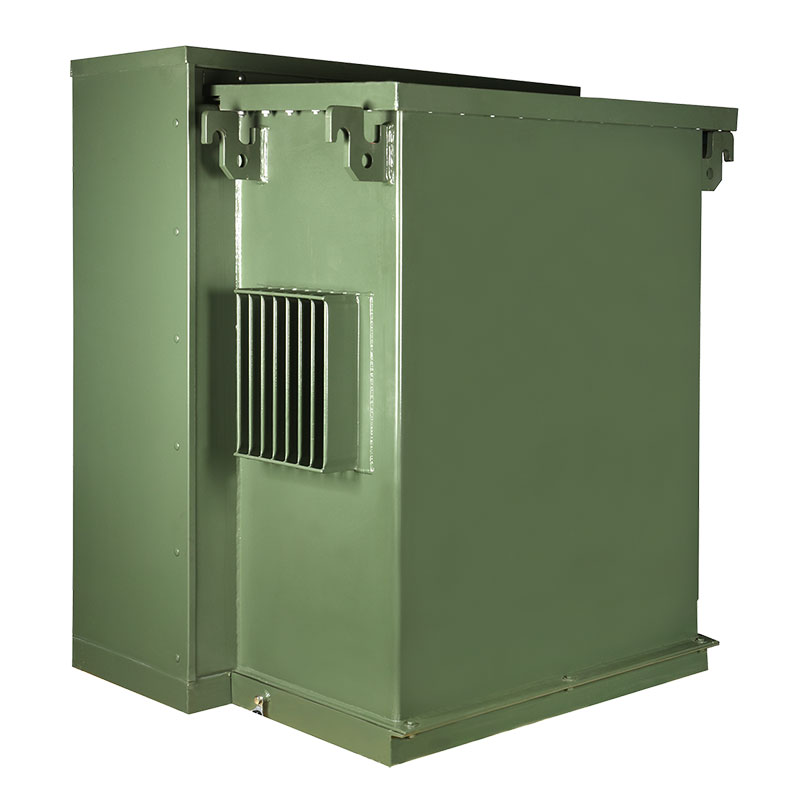
In modern electrical distribution systems, maintaining stability, safety, and fault protection is essential for uninterrupted operation. A zigzag earthing transformer plays a crucial role in achieving effective neutral grounding, especially in systems where a natural neutral point is not available. Industrial plants, substations, renewable energy installations, and commercial power networks rely on proper grounding techniques to prevent equipment damage and ensure personnel safety. Without adequate grounding, electrical faults can lead to dangerous overvoltages, system instability, and operational downtime.
Neutral grounding is more than a regulatory requirement. It is a fundamental design principle that protects infrastructure and improves system reliability. Zigzag earthing transformers provide a practical and efficient solution by creating an artificial neutral point while controlling fault currents and stabilizing system voltages.
Understanding Neutral Grounding in Power Systems
Neutral grounding refers to connecting the neutral point of an electrical system to earth through a deliberate electrical path. This connection controls voltage levels during abnormal conditions and allows protective devices to operate effectively.
In three phase systems, especially delta-connected networks, a neutral point may not exist naturally. Without grounding, the system becomes vulnerable to transient overvoltages and undetected ground faults.
Key Objectives of Neutral Grounding
- Maintain voltage stability during faults
- Enable fast fault detection and isolation
- Reduce risk of equipment insulation failure
- Protect personnel from electric shock hazards
- Limit transient overvoltages
- Improve overall power quality
Grounding ensures that electrical faults have a controlled path to earth rather than causing unpredictable system behavior.
What Is a Zigzag Earthing Transformer
A zigzag earthing transformer is a specially designed transformer used to create a neutral grounding point in three phase systems that lack one. Its winding configuration divides each phase into two equal parts connected in a zigzag pattern, allowing zero sequence currents to flow while blocking normal load currents.
Unlike conventional transformers used for voltage conversion, zigzag transformers primarily serve grounding and protection functions.
Core Design Characteristics
- Zigzag winding arrangement
- No secondary load transfer requirement
- Low impedance path for ground fault currents
- Balanced magnetic flux during normal operation
- Compact construction compared to standard grounding transformers
This configuration allows the transformer to remain inactive during normal conditions while becoming effective during ground faults.
Why Neutral Grounding Matters
Neutral grounding directly influences system safety, operational continuity, and equipment lifespan. Without grounding, even minor faults can escalate into severe electrical failures.
Prevention of Overvoltages
Ungrounded systems can experience dangerous voltage rises during ground faults. Healthy phases may see voltages increase significantly above rated levels, damaging insulation and sensitive equipment.
Grounding stabilizes voltages by providing a reference point relative to earth.
Improved Fault Detection
Protective relays rely on measurable fault currents to detect abnormalities. Without grounding, ground faults may produce negligible current, making detection difficult.
A zigzag earthing transformer enables sufficient fault current flow for accurate relay operation.
Personnel Safety
Grounding reduces touch and step voltages during fault conditions, minimizing risks to maintenance staff and operators.
System Stability
Stable grounding prevents oscillations and transient disturbances that could disrupt operations in industrial environments.
How Zigzag Earthing Transformers Work
The zigzag winding arrangement splits each phase winding into two halves placed on different limbs of the transformer core. These halves are connected so that their magnetic effects cancel during balanced conditions.
Operation During Normal Conditions
- Phase currents remain balanced
- Magnetic flux cancels within the core
- Minimal current flows through the transformer
- Power losses remain very low
The transformer essentially stays idle when the system operates normally.
Operation During Ground Faults
When a line-to-ground fault occurs:
- Zero sequence currents appear
- The transformer provides a return path to earth
- Fault current flows through grounding impedance
- Protection systems detect and isolate the fault
This selective response makes zigzag transformers highly efficient grounding devices.
Key Functions of Zigzag Earthing Transformers
Zigzag earthing transformers serve multiple protective and operational purposes within electrical networks.
Creation of Artificial Neutral
- Establishes a neutral point in delta systems
- Enables phase-to-neutral voltage reference
- Supports balanced system operation
Ground Fault Current Limitation
When combined with grounding resistors or reactors, the transformer controls fault current magnitude, preventing equipment damage.
Reduction of Transient Overvoltages
The transformer suppresses voltage spikes caused by restriking ground faults or switching operations.
Metering and Protection Support
- Provides measurable current path for relays
- Enables fault monitoring systems
- Supports accurate system diagnostics
Auxiliary Power Supply Capability
Some designs include auxiliary windings that can supply low voltage power for substation equipment.
Applications Across Industries
Zigzag earthing transformers are widely used wherever reliable grounding is required without modifying the main power transformer configuration.
Industrial Power Systems
Manufacturing facilities rely on grounding transformers to protect heavy machinery and automation systems.
Common applications include:
- Steel plants
- Cement factories
- Chemical processing units
- Oil and gas facilities
Renewable Energy Installations
Solar and wind farms often operate with inverter-based systems lacking a neutral point.
Zigzag transformers help:
- Stabilize inverter output
- Manage ground faults
- Improve grid compatibility
Utility Substations
Power utilities install zigzag transformers to enhance feeder protection and improve network safety.
Commercial Infrastructure
Large commercial complexes benefit from improved fault detection and stable grounding for sensitive loads.
Advantages of Using Zigzag Earthing Transformers
Zigzag earthing transformers offer several operational benefits compared to alternative grounding methods.
Efficient Fault Handling
- Provides controlled path for fault currents
- Prevents excessive system stress
- Supports rapid fault clearance
Compact and Cost Effective Design
- Smaller size compared to grounding transformer banks
- Lower installation footprint
- Reduced material usage
Minimal Impact on Normal Operation
The transformer remains inactive during balanced conditions, improving efficiency.
Enhanced Equipment Protection
- Reduces insulation stress
- Prevents voltage imbalance
- Extends equipment lifespan
Flexibility in Grounding Methods
Can be paired with:
- Neutral grounding resistors
- Reactors
- Direct grounding configurations
Zigzag Earthing Transformer vs Other Grounding Methods
Different grounding solutions exist, but zigzag transformers provide unique advantages in specific scenarios.
Compared to Solid Grounding
- Limits excessive fault current
- Reduces mechanical stress on equipment
Compared to Resistance Grounding Alone
- Creates neutral where none exists
- Enables controlled grounding implementation
Compared to Wye-Delta Grounding Transformers
- More compact design
- Lower losses
- Better zero sequence current handling
These characteristics make zigzag transformers particularly suitable for delta-connected systems.
Design Considerations and Engineering Factors
Proper selection and design ensure optimal performance of a zigzag earthing transformer.
Fault Current Rating
Engineers must determine expected ground fault current levels and duration.
Thermal Capacity
The transformer must withstand fault currents without overheating.
Grounding Impedance Selection
Choosing the correct resistor or reactor affects:
- Fault current magnitude
- Protection coordination
- System stability
System Voltage Level
Transformer insulation and winding design must match operating voltage requirements.
Protection Coordination
Relay settings should align with grounding configuration for accurate fault isolation.
Maintenance and Operational Reliability
Although zigzag earthing transformers are relatively low maintenance, regular inspection ensures long-term reliability.
Routine Maintenance Practices
- Insulation resistance testing
- Visual inspection of bushings and connections
- Thermal monitoring
- Grounding resistor verification
- Oil testing for oil-filled designs
Preventive maintenance helps identify degradation before failures occur.
Role in Modern Smart Grids and Power Networks
As electrical networks evolve toward automation and renewable integration, grounding solutions must support dynamic operating conditions.
Zigzag earthing transformers contribute by:
- Supporting distributed generation systems
- Enhancing grid fault visibility
- Improving power quality monitoring
- Enabling safer microgrid operation
Their compatibility with modern protection schemes makes them valuable in intelligent power systems.
Common Challenges Without Proper Neutral Grounding
Electrical systems lacking effective grounding may experience several operational problems.
Typical Risks
- Undetected ground faults
- Equipment insulation damage
- Repeated voltage surges
- Increased downtime
- Safety hazards for personnel
These issues often result in higher maintenance costs and reduced system reliability.
Future Trends in Grounding Technology
Advancements in electrical infrastructure are shaping how grounding transformers are designed and deployed.
Emerging Developments
- Integration with digital monitoring systems
- Improved insulation materials
- Compact dry-type designs
- Enhanced thermal performance
- Smart fault analytics integration
As industries move toward electrification and renewable adoption, grounding solutions will remain essential for safe operation.
Conclusion
Neutral grounding is a foundational element of safe and reliable electrical power systems. By providing a stable reference point and controlled fault current path, grounding protects equipment, improves fault detection, and enhances operational stability. A zigzag earthing transformer offers an efficient and practical method for achieving neutral grounding in systems without a natural neutral connection.
Its specialized winding design allows it to remain passive during normal operation while responding effectively during ground faults. From industrial facilities and renewable plants to substations and commercial infrastructure, zigzag earthing transformers play a critical role in modern electrical engineering.
As power networks continue to expand and evolve, the importance of reliable grounding solutions will only grow. Understanding the function and benefits of zigzag earthing transformers helps engineers design safer, more resilient electrical systems capable of meeting today’s demanding operational requirements.