


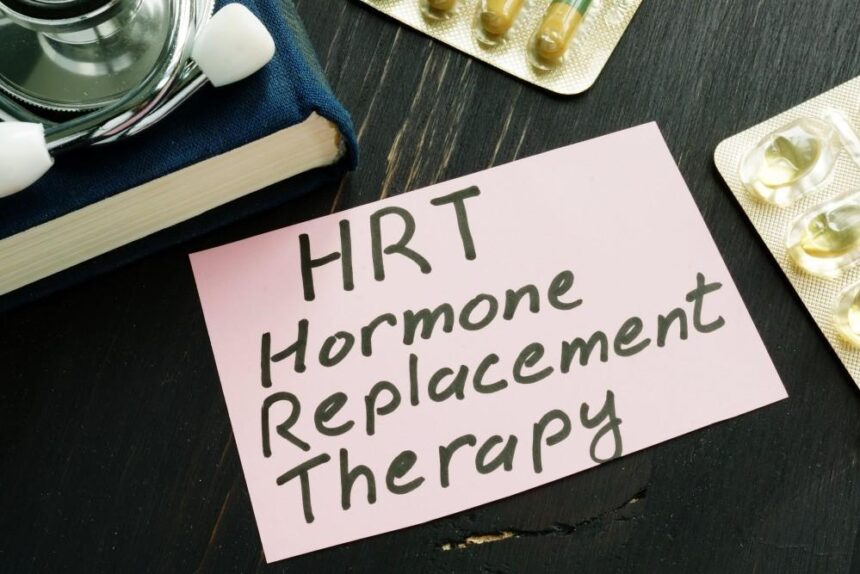
Menopause brings changes that can affect your daily life, including low energy, restless nights, weight gain, decreased libido, and mental fog. Hormone replacement therapy (HRT) offers a potential solution to address these concerns. Here is some information about what HRT is, its benefits, and key considerations for postmenopausal women.
Recognizing Hormone Changes
Menopause typically occurs between ages 45 and 55, marking the end of your reproductive years. During this transition, your ovaries produce less estrogen and progesterone — key hormones that regulate your menstrual cycle and impact many functions in your body. These hormonal changes often lead to symptoms like hot flashes, trouble sleeping, mood swings, weight gain around the midsection, decreased energy, and reduced sexual desire. Skin changes, including thinning and loss of elasticity, may also occur. Hormone replacement therapy (HRT) is a common treatment option that helps manage these symptoms by restoring hormonal balance during menopause.
Understanding Hormone Replacement Therapy
Hormone replacement therapy involves supplementing your body with hormones that your ovaries no longer produce in adequate amounts. Common types include:
- Estrogen therapy is available as pills, patches, gels, or rings and addresses symptoms of estrogen deficiency.
- Combination therapy combines estrogen and progesterone (or progestin) and is recommended for women with a uterus to prevent uterine complications.
- Bioidentical hormones are plant-based and chemically identical to the hormones your body naturally produces.
Consulting with a healthcare provider will help you determine which therapy is suited to your needs. They can assess the benefits and risks based on your medical history and health goals.
Evaluating Potential Benefits
Hormone Replacement Therapy (HRT) offers several benefits that can enhance quality of life during menopause. Many women notice an increase in energy as hormonal balance helps counteract the fatigue associated with this stage of life. One key benefit is improved sleep, as HRT works to regulate disrupted sleep patterns, reduce night sweats, and promote better rest. Better sleep can boost mood, cognitive function, and daily performance.
HRT may also support weight management by addressing the metabolic changes that occur during menopause. When combined with a healthy diet and regular exercise, it can help the body maintain a healthy weight more effectively. This makes it a valuable option for women seeking to support their overall health during this transitional phase.
Making an Informed Decision
HRT is not suitable for everyone, and the decision should always be made with a healthcare provider. Your medical history, including conditions such as blood clots, stroke, or certain cancers, can influence whether HRT is right for you. The timing of starting HRT is also relevant, as beginning closer to menopause may have different risks and benefits than starting later. Various delivery methods, such as pills, patches, or gels, tend to have different effects and risk profiles. Regular monitoring and follow-ups are necessary to assess your response and adjust treatment as needed.
Taking the Next Step
If you’re experiencing symptoms that significantly impact your quality of life, consult with a healthcare provider to discuss your concerns. They can help you weigh the potential benefits and risks of HRT based on your individual circumstances. Menopause is a natural life transition, and support options are available. With proper guidance and care, you can navigate this phase while maintaining your health and well-being.