


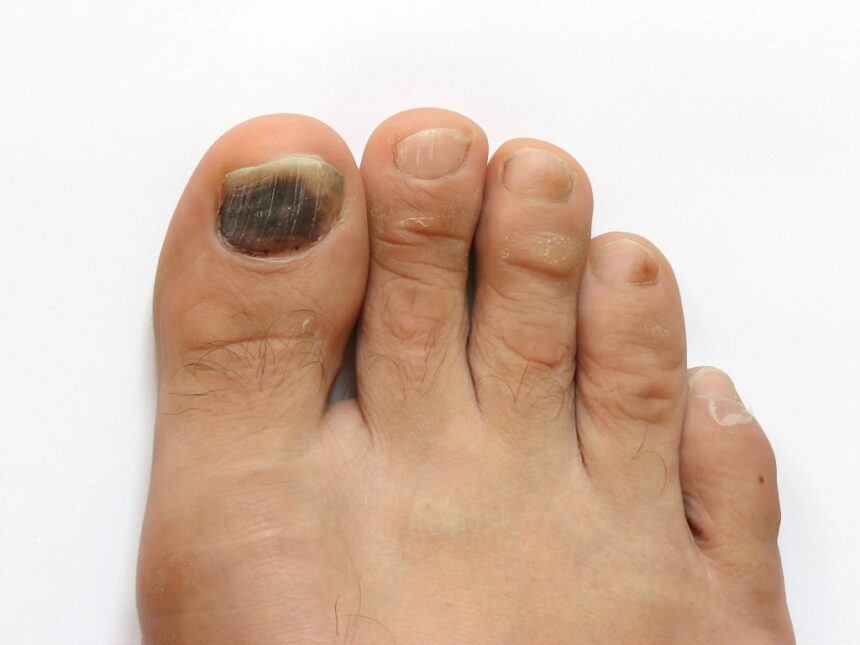
Toe nail fungus occurs when fungi get between the toe nail and the nail bed, often through a small cut or crack in the nail. The fungus can cause the nail to become thick, discolored, and brittle. While anyone can develop a fungal nail infection, people with certain health conditions may have a different experience with this issue. Here is more information about the relationship between toe nail fungus and diabetes:
Diabetes Weakens the Immune System
Living with diabetes means managing blood sugar levels, and it also affects the body’s various systems, including the immune system. High blood glucose levels may weaken the body’s natural defenses, which makes it harder to fight off infections. A less effective immune response means that fungi, bacteria, and viruses have a greater opportunity to take hold. This applies to the feet as well. Because diabetes can affect the body’s ability to protect itself, problems like fungus may become more frequent in individuals with the condition.
Infections May Be More Likely
Diabetes is also associated with other health complications that may increase the likelihood of developing infections. People with diabetes may experience reduced blood flow to their extremities. Poor circulation makes it more difficult for the body to heal from minor injuries, like cuts or scrapes on the feet.
Some individuals with diabetes may also develop nerve damage, or neuropathy, which can cause a loss of sensation in the feet. Without the ability to feel pain or discomfort, a small cut or blister might go unnoticed. An open wound, even a tiny one, can become an entry point for fungi, leading to an infection.
These factors create an environment where fungal infections typically develop more easily. That’s why individuals with diabetes must inspect their feet regularly for any signs of injury or illness. Early detection and proper foot care may significantly reduce the risk of complications from fungal infections.
Fungus Control Options
Managing toe nail fungus involves specific care and attention. Treatment options are available to directly address the infection. Your podiatrist might suggest:
- Topical medications applied directly to the nail
- Oral antifungal medications
Keeping feet clean and dry is also a supportive measure. Wearing shoes that fit well and allow air to circulate may help reduce moisture, creating a less hospitable environment for fungus. Inspecting your feet daily for any changes, cuts, or signs of infection allows for early detection and management.
Laser Therapy Treatments
In addition to traditional treatments, laser therapy is another option for addressing toe nail fungus. This procedure uses focused light energy to target the fungus living in the nail bed. The laser passes through the toe nail to the fungus underneath.
This method of treatment is performed in a podiatrist’s office. Your foot care specialist can explain the process and what you might expect during and after the procedure. They can help you determine if this approach is suitable for your specific situation.
Get Treated for Toe Nail Fungus
Addressing this condition is a part of comprehensive foot care, especially for those with diabetes. Fungal infections might progress or lead to other complications if left untreated. A podiatrist can properly diagnose the condition and recommend a course of treatment. If you are concerned about your toe nails or have noticed changes, schedule an appointment with a podiatrist today to discuss your options.