

DigitalConnectMag.Com
  • Home
  • Technology
  • Business
  • Health
    • General Health
    • Dentistry
    • Women Health
    • Cardiology
    • Mental Health
    • Gynecology
    • Pain Management
  • Finance
  • Law
  • About Us
  • Contact Us
Reading: When to Replace Your Crowns and How to Maintain Them
Share
DigitalConnectMag.ComDigitalConnectMag.Com
Aa
  • Home
  • Contact Us
  • About Us
  • Privacy Policy
Search
  • Home
  • Dentistry
  • Women Health
  • Cardiology
  • Mental Health
  • Gynecology
  • Pain Management
Have an existing account? Sign In
Follow US
© Foxiz News Network. Ruby Design Company. All Rights Reserved.
Dentistry

When to Replace Your Crowns and How to Maintain Them

Oliver
Last updated: 2025/08/07 at 7:19 PM
Oliver
Share
4 Min Read
Replace Your Crowns
SHARE

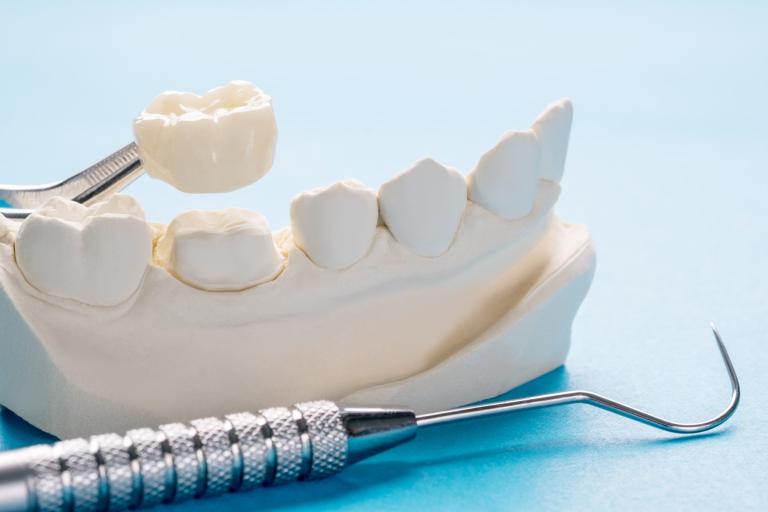
Dental crowns serve as protective caps that restore damaged teeth to their original function and appearance. These restorations typically last many years with proper care, but they don’t last forever. Understanding when crowns need replacement and how to maintain them can help you preserve your oral health and avoid unexpected dental procedures.

Contents
Exploring Dental CrownsUtilizing Proper MaintenanceGetting Professional Care Find a Dentist

Exploring Dental Crowns

Several indicators suggest your crowns may require replacement. Pain or sensitivity around the crowned tooth often signals underlying problems. This discomfort may indicate decay beneath the crown, a loose crown, or damage to the underlying tooth structure.

Visible damage to the crown itself presents another clear replacement indicator. Cracks, chips, or worn areas compromise the crown’s protective function and can harbor bacteria. Metal crowns may show signs of corrosion, while porcelain crowns might develop hairline fractures or chipped edges.

If you notice your crown feels different when you bite down or if you can move it with your tongue, schedule a dental appointment promptly. Loose crowns can fall out entirely or allow bacteria to enter the space between the crown and your natural tooth. This issue requires the immediate attention of your dentist. 

Utilizing Proper Maintenance

Maintaining your dental crowns requires consistent oral hygiene practices similar to caring for natural teeth. Brush twice daily using fluoride toothpaste and a soft-bristled toothbrush. Pay special attention to the area where the crown meets your gum line, as plaque and bacteria can accumulate in this junction.

Daily flossing remains necessary for crowned teeth. Use gentle motions when flossing around crowns to avoid dislodging them. Water flossers can provide an alternative cleaning method for those who find traditional flossing difficult around crowns. Certain habits can damage crowns and shorten their lifespan. Avoid chewing ice, hard candies, or other extremely hard substances.

Night grinding or clenching, known as bruxism, can significantly damage crowns. If you grind your teeth during sleep, discuss getting a night guard with your dentist. This protective device can prevent excessive wear on your crowns and natural teeth. Regular dental checkups and professional cleanings help maintain crown integrity. Your dentist can identify potential problems early and address them before they require crown replacement.

Getting Professional Care 

Professional dental care plays a role in crown longevity. During routine examinations, your dentist examines crowns for signs of wear, damage, or loosening. X-rays can reveal decay or other problems beneath the crown that aren’t visible during visual examination. Professional cleanings remove plaque and tartar buildup that regular brushing and flossing might miss. The dental hygienist can clean around crown margins where bacteria commonly accumulate.

If you experience any discomfort, sensitivity, or changes with your crowned tooth, schedule an appointment promptly rather than waiting for your next routine visit. Early intervention can often address minor problems before they require crown replacement. Your dentist may recommend specific products or techniques based on your individual crown type and oral health needs. Different crown materials may benefit from particular care approaches or cleaning products.

Find a Dentist

Dental crowns represent a significant investment in your oral health. Proper maintenance and timely professional care can help you get the maximum benefit from this investment. By following appropriate care techniques and recognizing replacement indicators early, you can maintain optimal oral health and function. Regular monitoring, combined with excellent daily care, gives your crowns the best chance for long-term success. 

You Might Also Like

Essential Steps to Take When a Dental Crisis Strikes

Top Dental Treatments for Healthy Teeth and Gums

How Much Should You Really Pay for Orthodontic Care?

Digital Innovations in Oral Surgery: Transforming Patient Care

Improve Oral Health With Expert Preventive Care Tips

Share This Article
Facebook Twitter Email Print
Leave a comment Leave a comment

Leave a Reply Cancel reply

Your email address will not be published. Required fields are marked *

New Releases

- Advertisement -
Ad image

Trending Stories

Healthy teeth and gums help you eat, speak, and smile with ease. Yet many people wait for pain before seeing a dentist. Is that the best way to care for your mouth? Preventive care focuses on stopping problems before they grow. With the right habits and routine visits, you can avoid many common issues. Simple steps taken early can protect your teeth for years. This guide shares expert tips to improve oral health through daily care, smart choices, and early checks that support long-term wellness. Build Strong Foundations With Routine Dental Visits Regular dental visits are the basis of good oral health. Dentists clean areas that brushing may miss and remove plaque before it hardens. These visits also help spot small problems early, when they are easier to treat. Cleanings keep gums healthy and reduce bad breath. Routine care builds trust with your provider and helps you feel at ease. Over time, these visits support strong teeth and fewer surprises. Practice Daily Habits That Protect Teeth and Gums Daily habits play a big role in oral wellness. Brushing twice a day removes food and plaque that cause decay. Flossing helps clean between teeth where brushes cannot reach. Using fluoride toothpaste adds extra protection to enamel. Drinking water also helps wash away sugars. Small actions done well make a real difference and support a healthy smile. Use Early Detection to Prevent Bigger Problems Early detection helps stop minor issues from turning serious. Dentists check for cavities, gum disease, and signs of wear. They may also spot changes in the mouth that need quick care. Finding problems early often means simpler treatment and lower costs. It also reduces stress and discomfort. Regular checks give peace of mind and protect long-term oral health. Choose Quality Care That Fits Your Needs Quality care goes beyond tools and machines. Look for providers who explain options in clear, simple words. They should listen to concerns and answer questions with patience. Clean spaces and clear safety steps also matter. Sometimes, a single day is all it takes to get the quality care you need when you visit or choose the right dental team. When care feels personal, people are more likely to return and stay consistent. Support Long-Term Wellness With Smart Choices Oral health connects to overall wellness. Eating less sugar helps prevent decay and gum issues. Avoiding tobacco protects gums and lowers health risks. Wearing mouth guards during sports prevents injury. These smart choices support teeth for the long run. Preventive care is not one step but a lifestyle built on steady, healthy decisions. Start Improving Your Oral Health With These Expert Preventive Care Tips Now Improving oral health does not need to be hard or confusing. Preventive care focuses on routine visits, daily habits, and early checks that protect your smile. When problems are found early, treatment is often easier and less costly. Choosing quality care builds trust and keeps you informed. Smart choices at home also support long-term wellness. Together, these steps help maintain healthy teeth and gums for years, leading to comfort, confidence, and better overall health. For more helpful tips, be sure to read other articles on different topics across our blog.
Dentistry

Improve Oral Health With Expert Preventive Care Tips

December 26, 2025
Health

Understanding the Autism Spectrum: A Comprehensive Guide

February 9, 2026
Technology

Top Digital Tools Enhancing Investigative Research Efficiency

February 20, 2026
Depression and Lifestyle Choices
Mental Health

The Connection Between Depression and Lifestyle Choices

July 29, 2025
Contraception for Women
Women Health

Choices and Considerations About Contraception for Women

July 2, 2025
Law

Understanding Settlement for a Permanent Injury Claim

February 10, 2026

Follow US on Social Media

Facebook Youtube Steam Twitch Unity
DigitalConnectMag.Com
  • Contact Us
  • About Us
  • Privacy Policy
Welcome Back!

Sign in to your account

Lost your password?